
Trending
Christmas has been arriving early and often for Nebraska head football coach Matt Rhule.
Last October, Rhule received a two-year contract extension from athletic director Troy Dannen during the stretch when nearly every hot property and perceived good fit was linked to the open Penn State job.
Most recently, during the Big Ten's spring meetings, Dannen preached patience for Rhule's rebuilding efforts, heaving a figurative life preserver to a coach who's been treading water.
In three seasons in Lincoln, Rhule has produced a 19-19 record with two minor bowl game appearances.
He succeeded Scott Frost, who failed to produce a winning campaign in four full seasons. Frost's predecessor, Mike Riley, only lasted three seasons.
Dannen's confidence booster makes sense at a time when buyouts are viewed as the quick fix for a bad match.
Changing coaches every two or three years is impractical for any number of reasons.
A revolving door on the head coach's office negatively impacts recruiting and roster retention, not to mention the budget line item for salaries.
"One of the things Nebraska has done that's harmed itself has been quick to react when things didn't happen soon enough instead of giving someone a chance who is by definition a program builder the chance to actually build a program," Dannen said. "That's different than inheriting a program that won 10 and then winning 11 the next year."
Like Nebraska, USC has been patiently awaiting a return to glory for its football program. The fanfare that accompanied Lincoln Riley's arrival in Los Angeles four years ago was expected to extend through national championship celebrations.
Instead, the Trojans have finished unranked twice, 12th in 2022 and 20th last season.
Three College Football Playoff appearances as head coach at Oklahoma lend credibility to Riley's contention that USC is a contender for the national title in 2026.
"We have absolutely taken steps now," Riley said after putting together the nation's top recruiting class. "Honestly, now it's just time to go do it. It's time. The program's ready for it."
Penn State's tolerance for James Franklin's CFP shortcomings was finally exhausted in year 12. New head coach Matt Campbell will benefit from playoff expansion, but ultimately, advancement to the title game is his charge.
A relatively weak schedule should ensure that Campbell strolls to double-digit wins during his debut season in Happy Valley.
Despite the passion of fan bases in the Big Ten, the fires burn with more intensity in the SEC where patience is considered a virtue for also-rans.
It can be assumed that Lane Kiffin didn't accept the job offer at LSU with longevity in mind.
He understands the stakes involved in the transfer portal era and embraces the risks of his profession.
An abrasive personality and chip-on-the-shoulder attitude are staples of Kiffin's strategic advantage on the field and in the public forum.
"College football has changed a lot over the years," Kiffin said. "The thing that we (he and his staff) do very well is we don't just think outside the box, we create a new box."
And then there's Virginia Tech where Franklin is wisely tying the future success of his football program to the hiring of a new athletic director whom he says needs to be "bold and aggressive with football in mind."
Guaranteed contracts are great, but nothing beats a scapegoat in reserve.
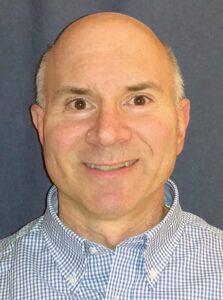
Jim Caltagirone writes a monthly column for the Mirror.