Nature lesson: Leave wildlife where you find it
Outdoors commentary

Young
With the Memorial Day weekend now behind us, most folks will be actively engaging in their favorite summertime outdoor recreations.
This is also the time of year to remind everyone not to remove any young wildlife you might encounter in the forests or fields of Pennsylvania from where you find it. There are a host of reasons for this advice. Baby animals are rarely “lost” or “abandoned.” Removing a young animal from its natural environment is never in its best interest.
An all-too-common example of this situation occurs with baby deer. Most does in Pennsylvania drop their fawns around the third week of May, so right now there are plenty of cute little spotted fawns just about everywhere.
These newborn fawns spend much of their time hiding during the day while their mothers are nearby feeding. Does need plenty of nourishment this time of year in order to nurse their fawns properly, and like most babies, young deer spend the majority of their days resting and sleeping.
So finding a fawn hiding in cover is perfectly normal and should be left alone because the doe is probably nearby and even watching as you steal its baby. Taking the little deer away from its natural situation virtually ensures it will be forced into a lifetime in captivity, not the most desirable fate for a high-strung, free-ranging animal like a white-tailed deer.
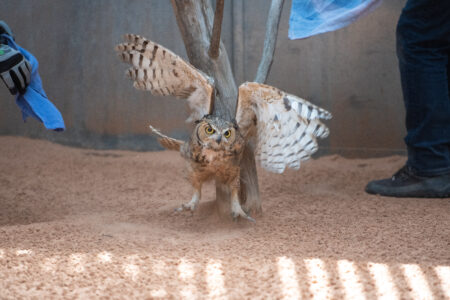
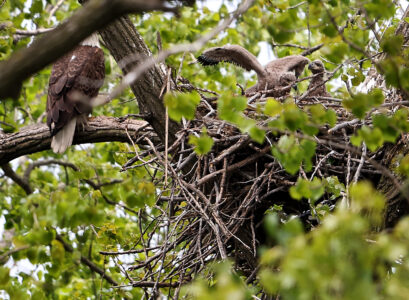
The best course of action is always to quietly leave the area and let nature take its course. Taking any animal or bird from the wild in Pennsylvania is also illegal and could result in fines of up to $1,500 per animal. Under no circumstances will you be allowed to keep any wild animal regardless how well-intentioned your motive.
Another good reason for avoiding direct contact with wildlife is the possibly of contracting parasites like fleas, ticks, lice or even worse, a disease like rabies.
Rabies used to be rare outside of the southeast region of the United States. During the 1970s, however, an epidemic of rabies occurred in raccoons throughout the mid-Atlantic and Northeast. Raccoons remain the most common rabies vector species in Pennsylvania, along with skunks, foxes, bats, coyotes and groundhogs.
Any of these species that comes in contact with humans will be euthanized and tested for rabies. Under no circumstances will any rabies vector species be released back to the wild. All mammals are susceptible to the disease, however, and a few years ago folks were bitten by rabid beavers near Philadelphia. Although rare, even deer and squirrels with rabies have been documented in Pennsylvania.
Rabies is a horrific disease caused by a virus that attacks the nervous system and is always fatal if untreated. Because the rabies virus is present in the saliva of an infected animal, the disease is usually transmitted through a bite. Once the symptoms of rabies manifest themselves, the disease usually progresses through three stages during a 10- to 12-day period.
Over the first two or three days, the animal exhibits behavioral changes. During the next three or four days is when the infected animal is the most dangerous as it becomes deranged and hyperactive with the tendency to try to bite anything near it.
Finally, it will begin to suffer loss of coordination and paralysis before slipping into a coma followed by death, usually caused by respiratory failure. It is a horrific way to die.
Fortunately, rabies now accounts for only one or two human deaths a year in the US. That is due largely to the availability of an effective vaccine for the disease and the mandatory vaccination of pet animals in many areas. Of course, vaccinating all the raccoons, skunks, foxes and other animals that live all around us isn’t possible, so using some common sense will help to prevent an unpleasant encounter most species of wildlife.
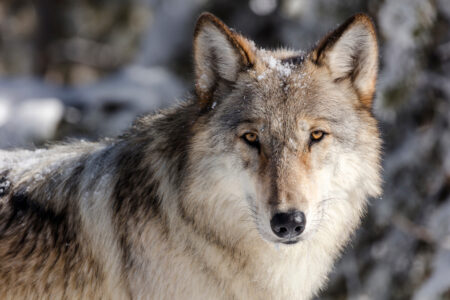
Always keep a safe and respectful distance from any wild animal and especially one that is behaving strangely. Also remember that raccoons, skunks, foxes, and bats are all largely nocturnal creatures, so any time you see one of them in the daytime, it is almost certainly to be sick or injured.
I know I probably don’t have to tell that to most of us who spend any time outdoors, but for some reason, there are lot of folks who seem compelled to try to feed or pet any critter they see. Simply put, if you can get close enough to any wild animal to do that, it is probably sick or hurt, and therefore a situation to avoid. Call a conservation officer at 1-833-PGC-WILD or 1-833-PGC-HUNT or other law enforcement personnel and let them handle it.