
Can’t beat the heat: Drought conditions impact local crop yield
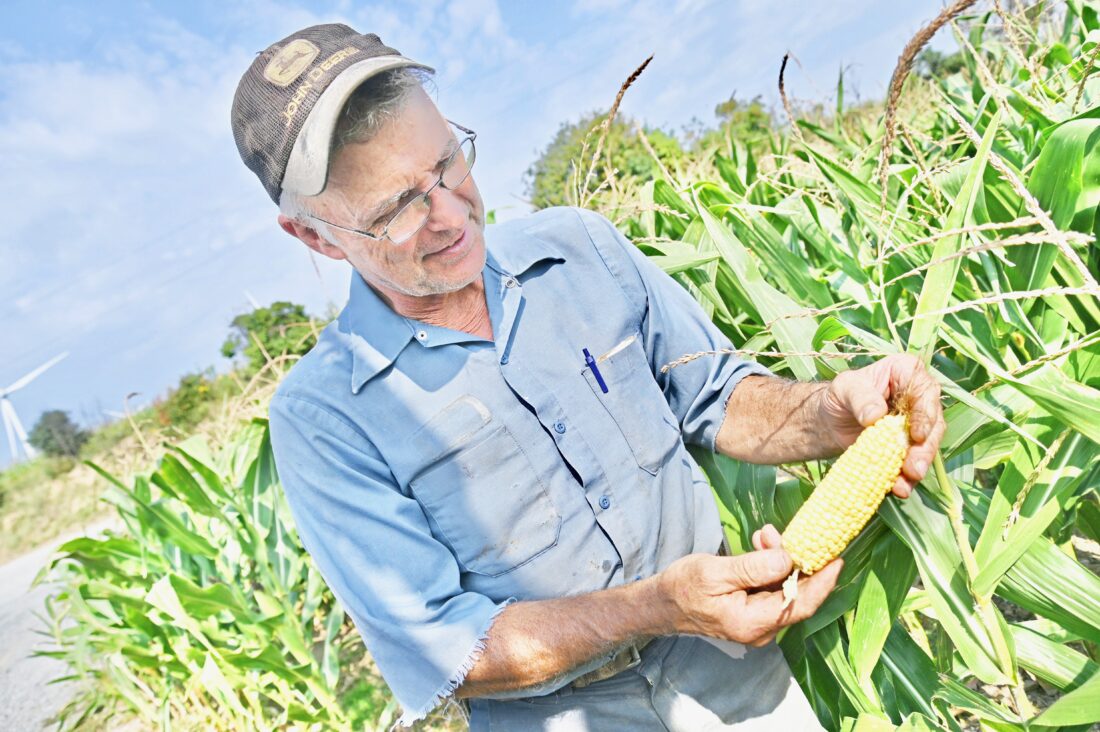
Mirror photo by Patrick Waksmunski / Marty Yahner of Yahner Brothers Farms looks at an undersized ear of corn from his Patton farm.
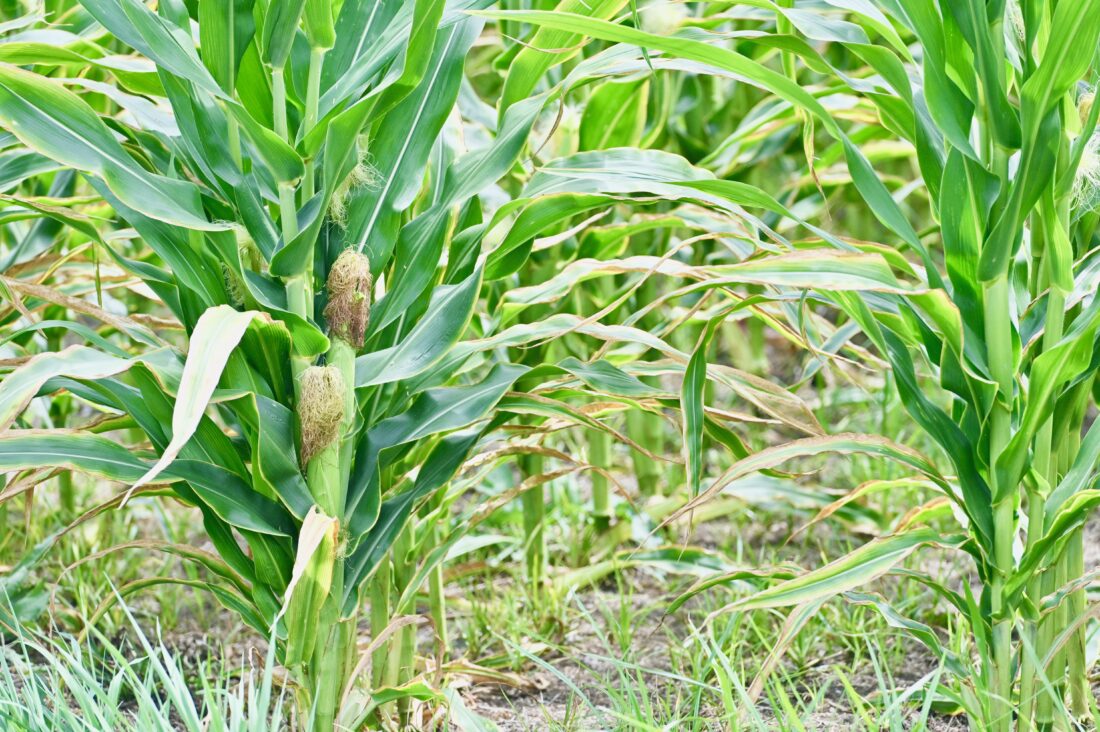
Mirror photo by Patrick Waksmunski / Distressed corn plants along Rt. 868 in Bedford county.
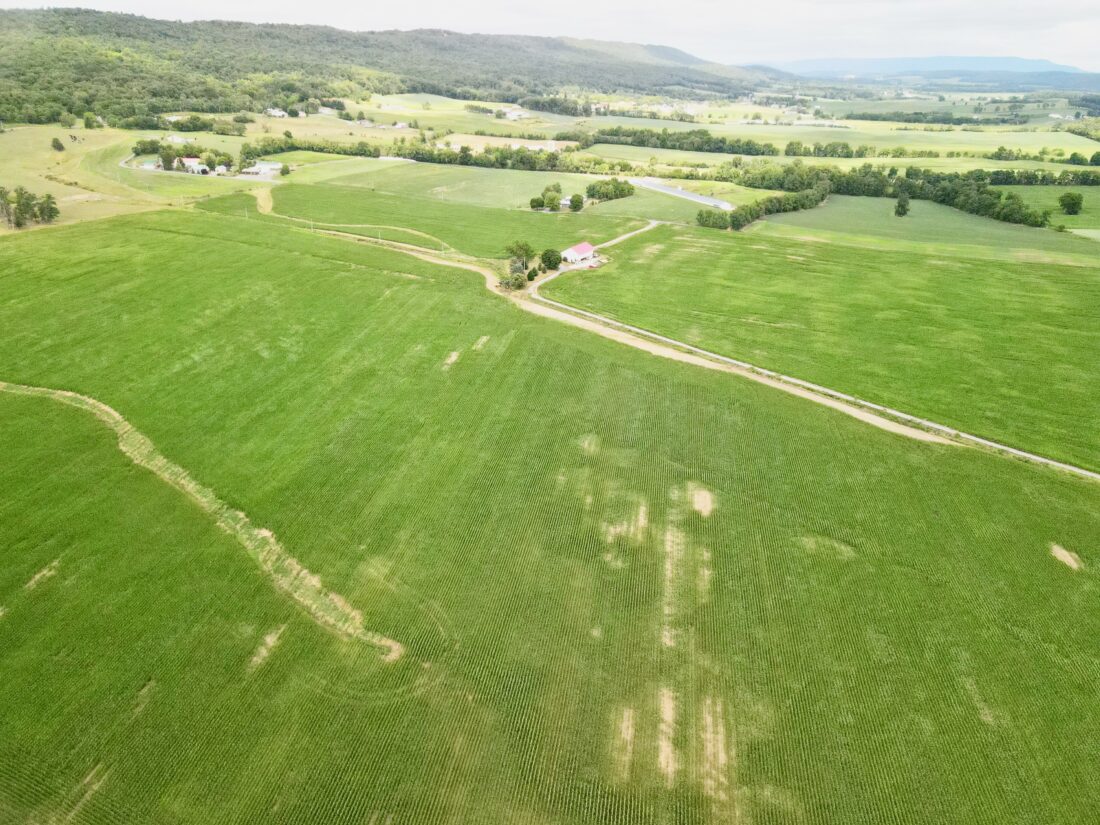
Mirror photo by Patrick Waksmunski / Parched farm field located west of New Enterprise.
Mirror photo by Patrick Waksmunski / Marty Yahner of Yahner Brothers Farms looks at an undersized ear of corn from his Patton farm.
Mirror photo by Patrick Waksmunski / Distressed corn plants along Rt. 868 in Bedford county.
Mirror photo by Patrick Waksmunski / Parched farm field located west of New Enterprise.
Trending
It's been a tough summer for farmers, as the U.S. Department of Agriculture issued a "natural disaster" or drought declaration for Somerset and Bedford counties -- a decision that gives access to emergency loans for farmers in those counties to offset crop losses.
Farmers all across the region have struggled with weather-related issues, and because Cambria and Blair counties are adjacent to Bedford and Somerset, farmers in these counties "can apply to their respective USDA Farm Service Agency offices for low interest loans if they qualify," said Marty Yahner, president of the Cambria County Farm Bureau.
Yahner, operator of Yahner Brothers Farms, Patton, with his brother Rick, said they lost at least $150,000 in crops this year because of drought-like conditions.
Cambria County -- with its official rainfall measured in Johnstown -- received 9.75 inches of rain from June through Aug. 22, about 85% of normal rainfall. Of that amount, 3.5 inches fell on Aug. 9 as remnants of Hurricane Debby passed through the area, said Accuweather meteorologist Tom Kines.
"It all came at once and it didn't soak into the ground. If you take out what they got on Aug. 9, rainfall is at about 55 percent of normal, which is pretty significant," he said. "If you are only getting about half of your normal rainfall, that is not good."
To compare, at the Altoona-Blair County Airport in Martinsburg, rainfall has been above normal since mid-June.
"There can be a big difference from one place to another," Kines said.
According to the U.S. Drought Monitor, this was the 14th driest July on record over the past 130 years.
Dry spells have been particularly detrimental to many farmers this year, depending on their location in Pennsylvania.
Farmers in the Southwestern corner of the state have been significantly impacted by drought, said Pennsylvania Farm Bureau spokesman Will Whisler.
"In years where there is very little rain, or in a year like this where when it seems to rain, we get heavy rainfall followed by long periods without rain, it can be very costly financially for farmers. A lot of farmers could experience mild to significantly smaller crop yields during harvest this year," Whisler said.
Tommy Nagle, vice president of the Pennsylvania Farm Bureau, raises beef cattle and crops on his family farm near St. Augustine and said it has been a bad year.
"This year we will have low yield and the lowest prices in four or five years on commodity prices, primarily corn and soybeans," Nagle said. "It was very wet in May and it was hard to get the crops in. We didn't have good root growth. Crops have picked up but the high yields are gone. Hay was affected, there was very little to no second cutting of hay. Pastures became hard and dry so we had to dig into our winter supply to feed the animals."
Most of Pennsylvania had a late, wet planting season.
"After planting, crops in poorly drained fields drowned because of excess rain and needed to be replanted, which set them back even further," Yahner said, explaining that re-planting increases production costs.
"Then the rain shut off and all crops experienced drought conditions, some severe, right up until the rain that came from Hurricane Debby," he said.
"That rain temporarily ended the drought, but the damage was already done."
Yahner said the rain from Debby was too much of a good thing as fields in low lying areas were flooded and crops were lost.
"The oats and wheat were already harvested before Debby and yielded very poor. Pasture fields burned up, so farmers were feeding hay that they had intended to feed in the winter," he said.
Lack of rainfall also has a big impact on field corn, where drought causes small ears of corn or no ears at all, Yahner said.
"The stalks are short so the silage quantity and quality that cattle farmers need for beef and dairy cattle will be greatly reduced," he said, adding that lower grain yields mean less grain to sell for feed or ethanol.
Bill Hoover, co-owner of Thousand Hill Dairy, Patton, said the rain came late but crops aren't a total loss.
"With corn silage, we usually average 15 to 17 tons per acre ... but we will probably end up with about 12 tons per acre."
It will take more acres of silage to fill the bunkers of feed for the cattle, he said.
Field corn, from lack of sufficient rainfall, will yield a bit low, Hoover said, noting the ears are not filled out and they are smaller.
"It is frustrating when we try to do everything right, as far as planting, fertilization, weed control etc and make the investment that is required to do so, and mother nature doesn't cooperate," Yahner said. Farmers, though, "are optimists or we would not be in this business, and always hope that next year will be better."
Mirror Staff Writer Walt Frank is at 814-946-7467.