
History can teach you about golf club limitations
Trending
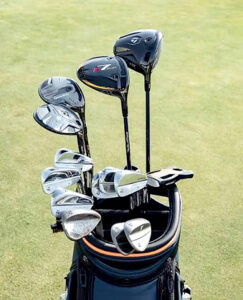
Most golfers know there is a strict limitation on the amount of clubs a player is allowed to use in competition.
The number is 14, but it wasn't always that way.
For centuries, there was no need to set a limit as hickory-shafted clubs were hand-made and very expensive. Golf clubs always seemed to be in short supply, and any good golfer was happy just to own the small number he could carry under his arm while out on the links.
However, as factory-made, steel shafted clubs became plentiful in the early part of the last century, golfers were presented with the opportunity of owning an unlimited number of affordable clubs.
While U.S. Open champions like Francis Oumet (1913) and Chick Evans (1916) somehow found a way to win their major championships with only seven clubs in the bag, the 1920s saw a drastic increase in the number of tools a typical golfer would use during the course of a round.
Many professional golfers started adding one or two lefthanded clubs to be used for trouble shots, plus as many additional wedges and putters as they felt necessary.
In 1934, U.S. Amateur champion Lawson Little used an incredible total of 30 golf clubs en route to a victory in that year's championship.
A year later, the troubling trend would lead the USGA to conduct a survey of every U.S. Open contestant and found the average number of clubs in each player's possession to be 18.
Incredibly, one participant had a whopping 32 golf clubs in his bag.
By this time, the USGA was concerned enough to take action. In its 1936 annual report, the organization listed a number of "desirable objectives" as they considered a new rule to limit the number of clubs a golfer could use.
They included: 1) Relief for caddies from unfair burdens. 2) Reduction of delays in play, as the player will spend less time in deciding what club to use. 3) Give players who cannot afford an unlimited supply of clubs an opportunity to compete with others on a more equal basis.
In the fall of 1936, the USGA rules committee voted to adopt a new regulation: Rule 4.1b, which would limit the number of clubs allowed in tournament play to 14. There didn't seem to be much debate as to why the number 14 was chosen, but reference was made to a "standard set" of clubs that included four woods, nine irons and a putter.
The rule would not take effect until the start of the 1938 season. Nonetheless, criticism of the new ruling was quick to surface.
Many professional golfers, like 1938 Masters champion Henry Picard, felt the rule would unfairly hurt weekend golfers who would now have to learn to adjust their swings to accommodate various length shots.
Club manufacturers were also unhappy with the new rule. One representative at the time remarked, "The discarding of all but 14 clubs will so flood the market with used irons and woods that in a short time it may reach the status of the used car market today."
Despite the many objections, this new USGA limitation went into effect on Jan. 1, 1938, with the organization's desire that "golfers would not be able to buy their shots in the professional's shop, but would lean more toward improving their shot-making skills."
The rule was implemented early that season with practically no disruption to the year's significant championships. The rule has remained unchanged, through today.