
Penn’s Cave and Wildlife Park announces upcoming wildlife season
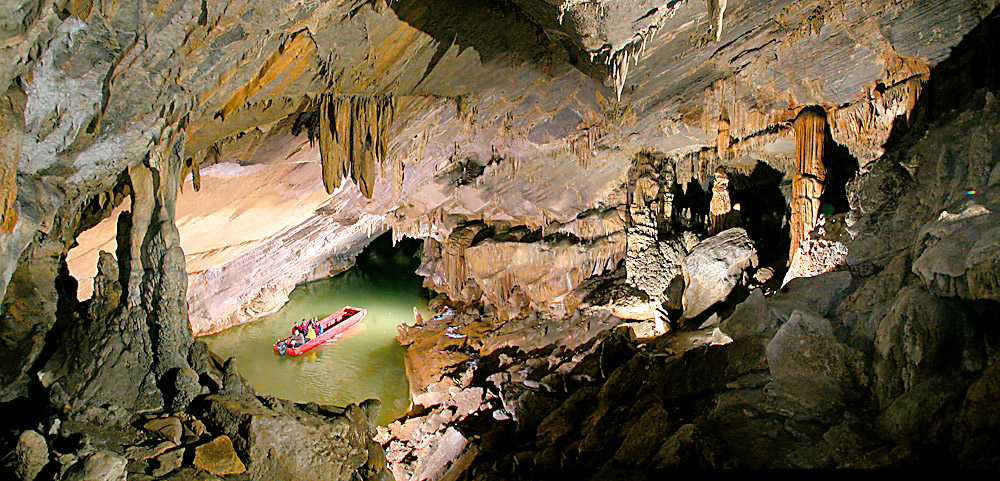
A photo of Penn’s Cave’s cavern shows visitors taking an all-water tour. Photo courtesy of Penn’s Cave Inc.
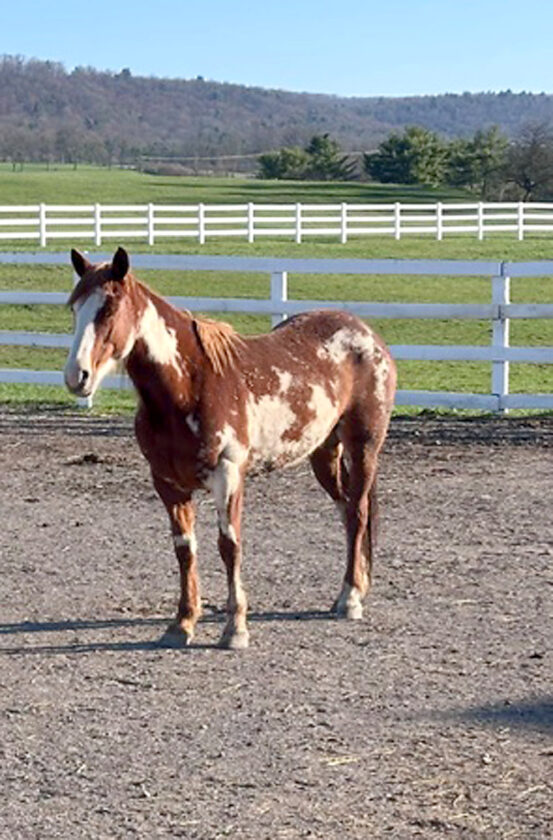
Wild horse, Sage, is pictured in a corral. Photo courtesy of Penn’s Cave wildlife manager Olivia Wright
A photo of Penn’s Cave’s cavern shows visitors taking an all-water tour. Photo courtesy of Penn’s Cave Inc.
Wild horse, Sage, is pictured in a corral. Photo courtesy of Penn’s Cave wildlife manager Olivia Wright
Trending
For more than 140 years, Penn's Cave and Wildlife Park in Centre County has connected guests with history and nature through educational experiences, such as cavern and wildlife tours, giving visitors a unique look inside central Pennsylvania's mountains.
While the cavern is well-established, the park has implemented new educational opportunities, such as its partnership with Centre Wildlife Care. It also hosts an annual picnic with a wildlife nonprofit and its newest wild horse, Sage, through Stacy Hickes' Gentled Hearts Stable.
Executive business officer Jeanine Watson said families can swing by the park this season to learn more about their region's past and its current environment.
"Penn's Cave is the perfect day trip adventure," she said.
This summer, Penn's Cave is partnering with Centre Wildlife Care to provide guests with educational lessons about wild animals, their natural histories and how to aid wild animals in need.
Centre Wildlife Care of Port Matilda is a nonprofit organization working to care for sick and injured wildlife and release them back into the wild.
The organizations began working together last year, when they provided a home to a lost fox who failed its predator/return to wildlife test, Watson said.
"We don't realize how important an animal is until they're gone," said Robyn Graboski, wildlife rehabilitator and founder of Centre Wildlife Care.
She said that wildlife keeps the food chain in check, as society would be in a bad situation otherwise.
Graboski said wildlife session dates at Penn's Cave are to be determined.
The park also supports the nonprofit Wildlife For Everyone Foundation through their annual picnic.
According to Watson, the foundation helps maintain bird, mammal and fish habitats in Pennsylvania, along with habitat improvements, creek and lake restorations and seedling distributions to school programs.
While parents receive instructions on skeet shooting and axe throwing at the picnic scheduled for June 20, children can check out the Wild Horse and Burro event presented by Hickes.
"It is a great outdoor event for families that is fun and educational," Watson said.
Gentled Hearts Stable is an authorized center for wild horse adoptions and burros through the Bureau of Land Management and the Department of Forestry, both of the Department of the Interior (see related story).
"Stacy is extremely active in the wild horse and burro community, holding numerous adoption events each year, as well as some horse shows exclusively for wild horse entries," Watson said.
On April 7, the park introduced Sage, a 6-year-old paint horse from Southern Steens, Oregon, to Penn's Cave.
She's the park's eighth wild horse from the Department of Forestry adoption program through Hickes' program, Watson said. They also have two wild burros from the Bureau of Land Management adoption program.
Penn's Cave is also entering its second year of running mountain tours, where guests can take an off-road ride over obstacles and moguls across their 1,400-acre plot of land in Centre County.
"They may even spot some of the numerous wild animals that live on the estate, such as turkeys, black bear, white-tailed deer, bobcats, pheasants and bald eagles," Watson said.
Penn's Cave is still known today as America's only all-water cavern and wildlife park.
According to their website, Penn's Cave was discovered and frequented by the Seneca Indians long before pioneers moved to Pennsylvania.
In 1885, Jesse and Samuel Long, who had inherited the cave one year before, making them the second owners, officially opened the cavern to the public and began charging admission. The business failed in the 1890s, and it was handed over to Henry Clay Campbell and Robert Perly Campbell at a sheriff's sale in 1908, according to the Daily Collegian.