State ramping up virus testing capabilities
A little over 1% of Blair residents have been tested
With the COVID-19 pandemic in Pennsylvania 2 months old, 262,000 state residents have been tested for the virus — about 2 percent of the population.
In order to be able to reopen society safely, the administration plans — among other things — to ramp up its testing program, so that within any region deemed ready to reopen, 2 percent of the residents there can be tested every month.
Testing in the six-county area centered on Blair has so far been more anemic than the level for the state as a whole, with a little less than 1 percent of the 587,000 people here having been tested, which is probably a reflection of the relatively low level of infection in the region.
A little over 1 percent of Blair County’s residents have been tested — even as officials here are hopeful the county will be slated for reopening toward the end of next week.
The state has been ramping up its testing capabilities, having moved from an initial policy in which testing was focused on symptomatic people in high-risk situations, including health care workers, first responders, employees and residents of long-term living facilities and those over 65.
Early on, the Department of Health set up COVID testing protocols at its lab in Exton, while commercial laboratories, LabCorp and Quest also did tests. After a time, hospitals and health systems, including UPMC, joined the effort.
Hospitals, including UPMC, also set up dedicated sampling sites.
There were mass, drive-thru sampling sites established in Philadelphia and Montgomery County, although the one in Philadelphia was closed, because there were enough other options, while the one in Montgomery County was moved to a different location in the same county.
Recently, a drive-thru mass sampling site was established at Wilkes-Barre in Luzerne County.
In addition, MedExpress does sampling in selected locations, as does Rite Aid.
“We’re building an eclectic array,” said Health Secretary Dr. Rachel Levine on Thursday during her daily webcast.
Her department is looking to partner with other companies, including pharmacies, to boost capacity further, she said.
There have been periodic shortages of components needed for tests — kits or platforms, sampling swabs and reagents and other chemicals needed to conduct the tests, but those shortages have eased, Levine indicated Thursday.
The DoH has collaborated with the Department of Community and Economic Development, other state agencies and federal partners to obtain additional testing resources, according to the administration’s testing plan, available on the DoH website.
The DoH determines who should be tested, DCED works with state-based companies to develop new testing technology, and the Pennsylvania Emergency Management Agency helps get testing to the communities where they are needed, according to the plan.
The administration’s goal is for 90 percent of the state’s residents to live within 45 miles of a sampling site, although officials plan to monitor infection rates in communities to ensure testing sites are situated where needed, according to the plan.
The testing strategy needs to be flexible as the situation changes and as knowledge about the disease evolves, according to the plan.
For the last couple of weeks, the state is encouraging anyone with symptoms to get tested.
Eventually, the hope is to begin testing patients without symptoms, but that needs to be done in a coordinated way, as a means of “population surveillance,” Levine said.
That sort of testing can include testing for antibodies, which develop in people who have been infected, and which can remain after they have recovered, perhaps conferring immunity from further infection.
The department intends to work with “community partners, county/municipal health departments and local health care leaders to inform a localized strategy,” the plan states.
Mirror Staff Writer William Kibler is at 949-7038.
Local News

Food, fellowship and fireworks: Heat doesn’t stop Main Line Mania festival
What does America mean to me?

Creating history: AAHS students, teachers paint mural depicting iconic images of city
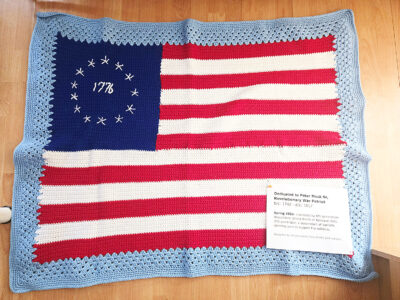
Afghan pays tribute to Revolutionary War Patriot from Bedford County
Election laws still point of debate in Pennsylvania
Pennsylvania wrote the founding documents. It has spent 250 years arguing over what they mean. In courtrooms and ...