
State Supreme Court to review Philadelphia police tactics
Interrogation methods under scrutiny by state Supreme Court
The state Supreme Court has announced it will consider whether police violated the rights of a defendant by using incriminating statements made after a detective said, “Nobody’s using anything in court.”
The case focuses on the interrogation of a suspect following a 2019 murder in Philadelphia. Police detectives read the suspect, Keith Phillips, his Miranda rights — which include the warning that any comments will be used in court.
Later, during questioning, Phillips said to a detective: “You’re not going to use this in court against me?” The detective responded: “Nobody’s using anything in court.”
But Phillips’ statements were introduced as evidence during his trial and he was convicted of murder, according to court records.
The detective testified that he had interpreted Phillips’ question to mean he didn’t want his statements used as evidence against other suspects out of fear of retribution. A Philadelphia judge accepted the detective’s explanation and rejected Phillips’ bid to have the incriminating statements withheld from his trial.
A Superior Court three-judge panel said the county judge had gotten it wrong and ordered a new trial. The Superior Court concluded that the detective’s interpretation of Phillips’ question was immaterial. Further, the appeals court noted that Phillips’ question clearly indicated he didn’t want his comments used against himself.
In a decision released last year, Superior Court Judge Jill Beck noted that Phillips didn’t make any incriminating statements to police until after the detective assured him their conversation would be confidential. She also pointed to prior U.S. Supreme Court and state Supreme Court decisions related to Miranda rights.
The U.S. Supreme Court in the Miranda decision held: “Where there is evidence that demonstrates ‘that the accused was threatened, tricked, or cajoled into a waiver,’ then that ‘will, of course, show that the defendant did not voluntarily waive his privilege.'”
In a 1989, the state Supreme Court ruled: “Promises of benefits or special considerations, however benign in intent, comprise the sort of persuasion and trickery which easily can mislead suspects into giving confessions … Misleading statements and promises by the police choke off the legal process at the very moment which Miranda was designed to protect.”
In a brief posting Tuesday, the justices indicated their review of the case will focus on the question of whether the detective’s assurance that “nobody’s using anything in court” barred prosecutors from using Phillips’ comments.
Local News

Celebrating Juneteenth
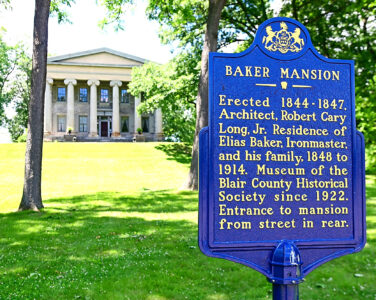
Restoring glory: Blair County Historical Society starts off long-term slate of Baker Mansion projects

Trio who met as Little League players, coach celebrates enduring bond of friendship

Altoona Redevelopment Authority tables sale of ICE facility

Summer solstice
Company covers digester shortfall for Altoona Water Authority
The company that developed the anaerobic digester project at the Altoona Water Authority’s Westerly Sewer ...