
Eco-friendly toilet papers are trendy, but environmental impacts vary
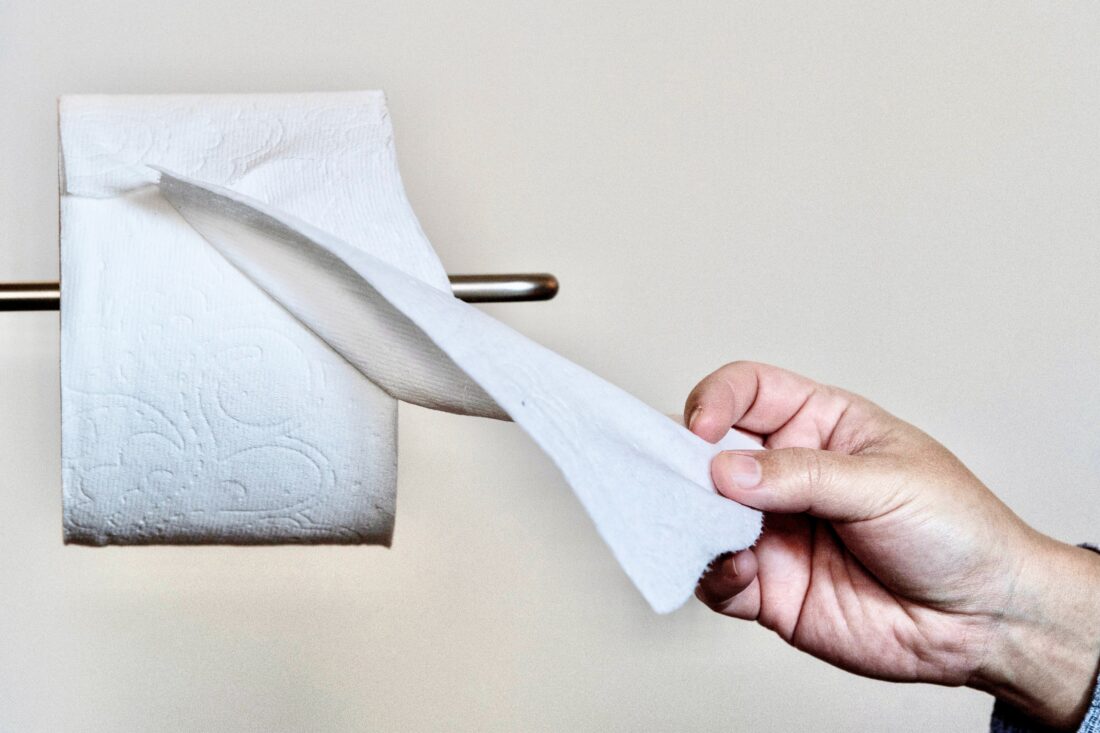
The Associated Press / This photo shows toilet paper in Arlington, Va., on Jan. 4.
Toilet paper, a product that is used for a few seconds before being disposed of forever, is typically made with trees, energy-intensive manufacturing processes and chemicals that can pollute the environment.
Experts say more consumers are seeking toilet paper made from recycled content or sustainable materials, but it can be hard to know what to look for.
Sustainable toilet paper often costs more, but can have significant environmental benefits. According to the Environmental Paper Network, a coalition of nonprofits, more than 1 billion gallons of water and 1.6 million trees could be saved if every American used one roll of toilet paper made from recycled content instead of a roll made from forest fibers.
Here are some recommendations for buying sustainable toilet paper or reducing overall toilet paper use.
Toilet paper made from recycled fibers
North American toilet paper has traditionally been made from fibers from trees in Canada and eucalyptus plantations in Brazil. Pulp made from the trees is bleached to create a bright white color, but the chlorine that’s often used can hurt the environment. Large amounts of electricity and heat are used to remove moisture and form square sheets.
Increasingly, manufacturers are making toilet paper from recycled paper products, which avoids material from freshly cut trees, and are using chlorine-free bleaching techniques. Once used, toilet paper itself is flushed and not recycled.
Looking for recycled content is a good place for environmentally conscious consumers to start, said Gary Bull, professor emeritus of forest economics at the University of British Columbia. Preconsumer materials include scrap materials from manufacturing or unsold paper. Postconsumer materials come from paper products that have already been used.
Making toilet paper from postconsumer recycled fibers improves its sustainability because paper is “one of the easiest materials on the planet to recycle,” Bull said.
Evaluating sustainability claims
The best way for a scientist to evaluate the carbon footprint of an item is doing a life cycle assessment, which calculates the environmental impacts from when a tree is a seedling to when its fibers are converted into toilet paper and flushed down the drain, Bull said. But that method isn’t within reach of consumers, so advocates have undertaken third-party assessments.
Some companies add those labels to packaging to show that their processes have been vetted. Bull said labels on bath tissue from the Forest Stewardship Council or the Sustainable Forestry Initiative indicate the company is making scientifically-proven efforts to be sustainable. Both groups’ standards include conserving water, wildlife, and biodiversity as well as compliance with applicable forestry laws to keep ecosystems healthy.
The nonprofit Natural Resources Defense Council also publishes an annual report that grades toilet papers from A+ to F, with the highest-ranked products being unbleached or bleached without chlorine, containing recycled content and avoiding harmful forestry practices. Aria, Green Forest, Natural Value, Trader Joe’s and Whole Foods 365 100% Recycled received the highest letter grade in 2025, with all made entirely from recycled materials.
The “The Issue with Tissue” report was launched in 2019, and NRDC corporate campaign advocate Ashley Jordan said she has noticed dozens of sustainable toilet paper brands have emerged over the last six years.
Local Business

Eco-friendly toilet papers are trendy, but environmental impacts vary
Three big changes for retirement planning this year
For retirement savers and retirees, the new year brings more than the usual inflation adjustments to retirement ...
Google adds new AI feature, turning Gmail into assistant
More artificial intelligence is being implanted into Gmail as Google tries to turn the world’s most popular email ...

Peace on all fronts: Time-saving services could ease marriage tension
Wall Street rises to records; unemployment rate improves
NEW YORK — U.S. stocks hit records Friday following a mixed report on the U.S. job market, one that may delay ...
Nature can provide balance in workday
NEW YORK — The crisp crinkle of fallen leaves beneath your feet. The swish and trickle of water moving through a ...