
Susquehanna park to tell freedom’s story
Trending
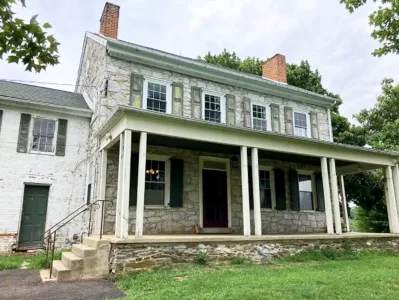
From the window of Hybla, escaped slaves on the Underground Railroad could see the path east that would take them across the Susquehanna River and hopefully to freedom.
When work is finished on the Susquehanna Discovery Center and Heritage Park at Wrightsville, visitors will be able to walk the same interpreted path that escapees or freedom-seekers followed to a new Freedom's Crossings River Park.
Today Hybla is known as the Historic Mifflin House, a substantial 1800 limestone farmhouse saved recently from demolition.
The Mifflin House is a well-documented stopover on the Underground Railroad, the pre-Civil War network of hideouts and trails used by Black Americans escaping slavery in the southern states.
River crossing
Jonathan and Susanna Mifflin and their son Samuel were prominent Quakers. Susanna was of the Wright family that founded Wrightsville in the early 18th century.
Wrightsville, and Columbia on the Susquehanna's east shore, was already an important transit point for generations of Americans headed west.
The river crossing became a destination for Black Americans leaving the nearby slave state of Maryland and headed to a more hospitable climate in Philadelphia. Often they were pursued by former masters and hired posses acting under Fugitive Slave laws.
The Mifflin House sheltered a group of 13 escapees in 1840, according to Guiding Lights: Underground Railroad Conductors in York County, Pa. by Scott Mingus Sr.
Samuel closed the first floor windows to shield them from prying eyes. After a spell of bad weather cleared, a free black man named Robert Loney steered the group on a raft across the Susquehanna, according to Mingus's book.
Susquehanna Heritage Park
The Susquehanna Heritage Park will focus on the entire range of Susquehanna River history from the Susquehannocks, English discoverer John Smith, Quaker, Scots-Irish and German settlers; role in the American Revolution, transportation with ferries, bridges and canals and agricultural bounty.
From the front porch of the Mifflin House in June 1863, one could watch a brief skirmish between raw Pennsylvania militia and seasoned Georgia soldiers under Confederate Gen. John Gordon.
Gordon's troops brushed aside the militia and headed to the Susquehanna's west shore only to watch a river-spanning covered bridge put to the torch by local defenders.
This was the easternmost point of the Gettysburg campaign. An annual burning bridge festival commemorates the episode.
The 79-acre park is under the jurisdiction of the Susquehanna National Heritage Area. The project is financed with federal, York County, and foundation money and $2 million in state dollars so far. The project's cost estimate is $46 million.
The plans call for a restored Mifflin House to interpret the Underground Railroad, the interpretive trail and riverside park, discovery center in an 1850 bank barn, art center, the preserved battleground and nearby commercial stores.