
The Last Juicebox Project spreads Type 1 diabetes awareness
The Last Juicebox Project aims to help children, families with Type 1 diabetes
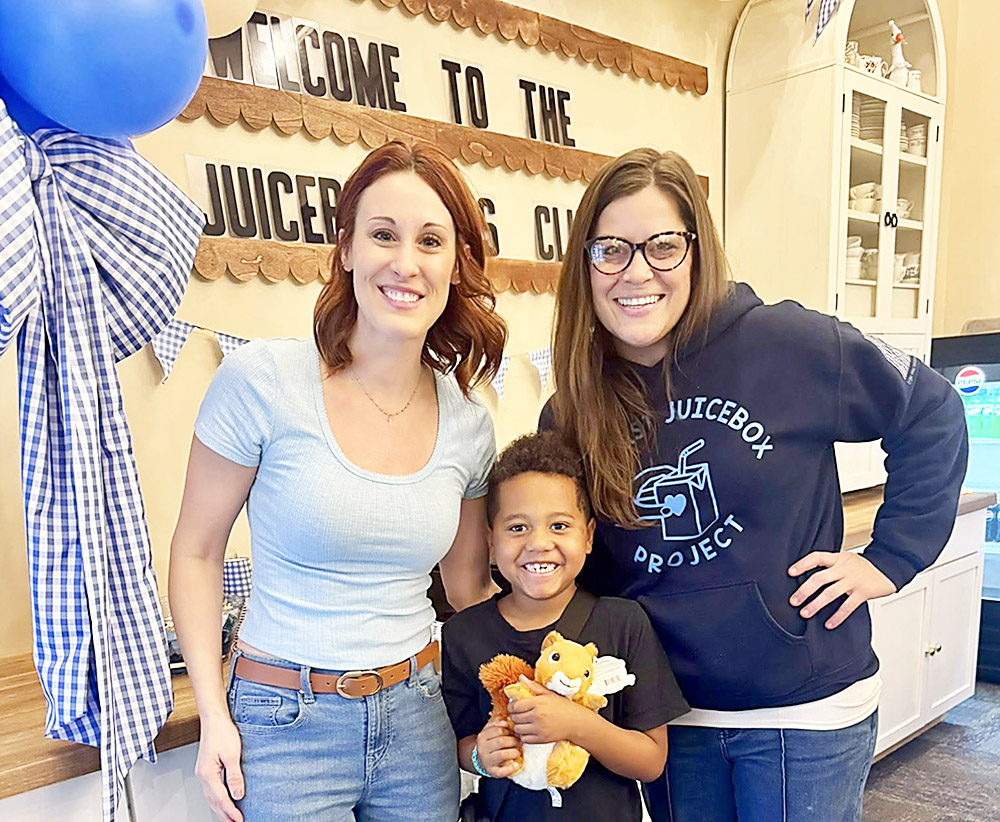
From left, The Last Juicebox Project co-founders Jaime Plunkett and Jill Parrilla stand with Jaxxon Harris, who was recently diagnosed with Type 1 diabetes. Courtesy photo
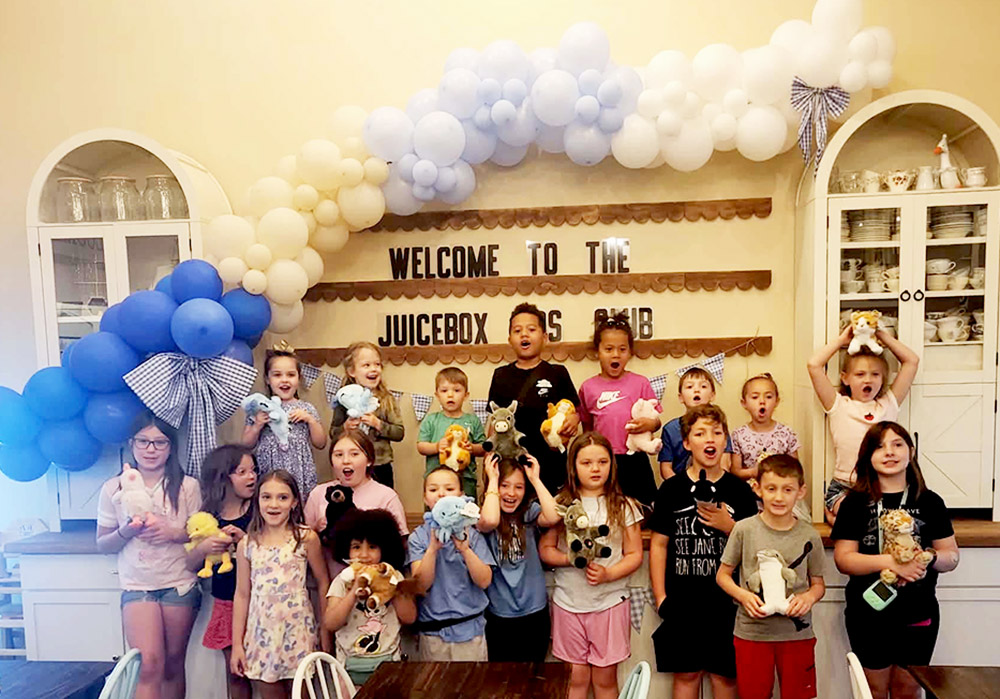
The Juicebox Kids Club recently met on May 16 at Home and Harvest. Courtesy photo
From left, The Last Juicebox Project co-founders Jaime Plunkett and Jill Parrilla stand with Jaxxon Harris, who was recently diagnosed with Type 1 diabetes. Courtesy photo
The Juicebox Kids Club recently met on May 16 at Home and Harvest. Courtesy photo
Trending
Two Blair County residents are raising awareness about Type 1 diabetes through their startup nonprofit program, one juicebox at a time.
Founded in September 2025 by Jamie Plunkett and Jill Parrilla, The Last Juicebox Project works to support families affected by Type 1 diabetes, as they both have children with a diabetes diagnosis and understand how overwhelming the process can be both mentally and physically.
"The sleepless nights, constant alarms, carb counting, insulin dosing, fear of dangerous highs and lows, it can feel isolating and terrifying," Plunkett said. "We created The Last Juicebox Project because we didn't want other families to feel alone the way we once did."
Being a new organization didn't stop the passionate mothers: together, they raised $25,000 at their inaugural gala fundraiser, A Night in Emerald City, for Breakthrough TD1, an organization working to cure the chronic illness. In May, they were recognized as Breakthrough TD1's top donor.
They also held fundraising events, a hat day with area schools, a Cash Bash and Launch Party and their first Juicebox Kids Club event held at Home and Harvest. Their next event, a diabetes awareness game at the Altoona Curve, is set for June 24.
Despite Plunkett and Parrilla not having any fundraising experience, Plunkett said they figured it out for their children, along with those affected by the same illness.
"We leaned on community support, worked incredibly hard, and found that people genuinely wanted to rally around this cause," she said.
According to Mayo Clinic, those with Type 1 diabetes make little to no insulin, which is a hormone the body uses to allow glucose (sugar) to enter cells and produce energy.
There is currently no cure, and treatment is directed toward managing how much sugar is in the bloodstream, with diet and lifestyle changes to prevent complications.
While the nonprofit works to create awareness, Plunkett said misconceptions still exist, such as believing that diet causes the illness and that it can go away over time.
"Awareness matters because understanding leads to earlier recognition, stronger community support, safer schools and more compassion for the daily realities families face," she said.
Go-to snack items are essential for Type 1 diabetes health, she said, including juice boxes, glucose tabs, fruit snacks, applesauce pouches, gummies and measured candies.
Those around individuals with the illness should always be prepared by keeping a low amount of these supplies anywhere someone spends time, she said.
Parrilla said people find their own groove when it comes to treating Type 1 diabetes, as everyone's body is different and activities require various levels of glucose.
She said they originally coined the nonprofit name because juiceboxes replenished their daughters' glucose levels, thus saving their lives.
But "The Last Juicebox Project" also alludes to their mission of curing Type 1 diabetes for good, which is why they donated a large chunk of their funds to Breakthrough TD1.
"We thought, 'wouldn't it be cool if we were part of something that was a part of their last juicebox. They don't have to always carry it with them; they don't need a juicebox to save their life anymore,'" she said.
For almost a year, the co-founders have also focused on helping individuals with Type 1 diabetes in central Pennsylvania, such as providing comfort boxes filled with The Last Juicebox merchandise, a book and juiceboxes post-diagnosis.
Parrilla said they also include a list of area contacts in comfort boxes so individuals can know who to reach out to for local support.
"The (program's) main goal is to provide a community sense of knowing that others are walking the same journey as you, and you're not alone," she said.
Looking into the future, Plunkett said the nonprofit is working to develop an art camp at the end of summer and a scholarship program for graduating seniors.
Their impact is felt each day, especially for those like Tiphanni Lohr, who was diagnosed with Type 1 diabetes at 7 years old, but wasn't interested in receiving help until meeting Plunkett while working with her at Conemaugh Hospital.
Lohr said it took her four years to accept Plunkett's help and treat her diabetes, saving her life along the way.
"I'm now 28, and I'm a fully controlled, happy diabetic and proud to be a part of The Last Juicebox (Project)," she said.
Mirror Staff Writer Colette Costlow is at 814-946-7414.