State laws over past 50 years impact daily life
The following state laws enacted during the past 50 years impact the everyday lives of Pennsylvanians and underscore that events at the statehouse matter.
The laws reflect changes in society, human rights, consumer rights, the introduction of new technology and responses to issues concerning crime, justice, jobs and the environment.
They are not about institutions, so to speak, so some important laws of the period, such as the Open Meetings and Right-to-Know laws, aren’t included here.
The list is by no means inclusive. It draws on several statutes of impact listed by the Temple University Institute for Public Affairs in 2012.
The laws reflect this reporter’s experience with legislatures under nine governors ranging from Milton Shapp to Josh Shapiro.
Notable laws
– Distracted driving: A law passed in 2024 bans use of all hand-held mobile devices while driving even at stoplights. Took effect in 2025. Built on 2012 law banning texting while driving.
– School weapon notice: (2024) Mandates 24-hour notice for parents of weapon incidents at schools.
– Breast cancer screening: (2023) Mandates insurance coverage for preventive care and screenings for breast cancer.
– Medical Marijuana: (2016) Legalizes and regulates sale of marijuana for medical purposes.
– Grocery store wine sales: (2016) Allows grocery stores to sell wine and makes other sales changes.
– Medicaid expansion: (2015) Pennsylvania provides health care to low-care adults under terms of the federal Affordable Care Act.
– School choice: (2014) Expands the Educational Improvement Tax Credit for businesses that pay for student scholarships to private schools.
– Casinos: (2004) Legalizes casinos with slot machines. Share of slot revenue for school property tax relief. Ended forty years of debate about big-time gambling coming to Pennsylvania. Later laws allowed table games, internet gambling and sports betting.
– Full-day kindergarten: (2003) New state block grant program helps schools transition to full-day kindergarten. Funded through state personal income tax hike.
– State liquor stores open on Sunday: (2003-2004) Laws allowed liquor sales on Sundays. Ends a bastion of the state Blue Laws prohibiting commerce on Sundays.
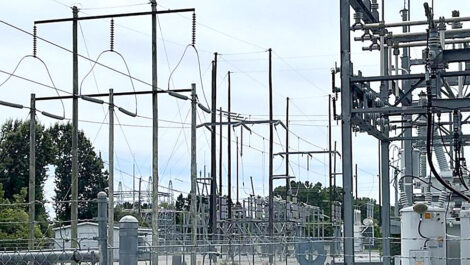
– Electric deregulation: (1999) Splits up electric power monopoly. Lets consumers shop for an electric power supplier. Traditional utilities run distribution and transmission lines.
– Megan’s Law: (1995) Requires sexual offenders to register whereabouts in statewide registry.
– DNA: (1995) Legalizes use of DNA evidence in criminal cases for first time.
– CHIP: (1992) Creates a health insurance program for families who couldn’t afford it but are not eligible for traditional Medical Assistance.
– 911: (1990) Establishes the 911 toll-free number for emergency calls.
– Abortion: (1989) Abortion control law upheld by U.S. Supreme Court. Requires 24-hour waiting period for abortion, parental consent if minor involved.
– PENNVEST: (1988) Creates authority to provide state and federal money for water and sewer projects that deliver safe drinking water.
– Trash recycling: (1988) Requires the recycling of certain household items separated from trash. Set up local recycling programs.
– Lottery prescription drugs: (1983) Tapped a Lottery surplus to create program providing assistance with prescription drug costs to eligible seniors.
– DUI: (1982) This law set stiff penalties for driving while intoxicated. Retired the saying “Let’s have one for the road.” Successive laws further toughened penalties.
– Annual vehicle inspection: (1982) Requires motorists to have annual inspection once a year instead of twice a year.
– PASSHE: (1982) Creates the self-governing Pennsylvania State System of Higher Education for 14 one-time teacher colleges. Provides middle class students with avenue for higher education.
– No Fault Divorce: (1980) Allows couples to divorce without proving fault. Simplies the divorce process.
– Right turn on Red: (1975) Allows vehicles to make right turn at red light unless sign forbids. Took effect July 1, 1977. Imagine traffic congestion without it.
Local News
Altoona man accused of assaulting woman
A city man is behind bars after allegedly assaulting a woman on New Year’s Day. Gavin Donovan Queenan, 32, was ...
State laws over past 50 years impact daily life
The following state laws enacted during the past 50 years impact the everyday lives of Pennsylvanians and ...
Members of Williamsburg Horse Show Club, supporters voice concerns
WILLIAMSBURG — Williamsburg Horse Show Club supporters gathered at the Farm Show building Friday night to voice ...
Tyrone raises parking ticket fees
New parking ticket fees went into effect in Tyrone Borough on Jan. 1. The proposal to raise the fees was adopted ...

Brave face