Pennie health insurance costs to double
Congress stalls on reauthorizing enhanced tax credits
The average cost to buy insurance through Pennie, the state’s health insurance marketplace, will double in the coming year, due to the failure of Congress to reauthorize enhanced premium tax credits, state officials said.
The Insurance Department announced that rates for most plans sold through the marketplace will jump 20%-30% for the 2026 plan year. The double whammy of those rate increases, combined with the pending expiration of the Affordable Care Act enhanced premium tax credits, will lead to some eye-popping rate increases.
“These increases are higher than in recent years, even after PID’s strong rate review process blocked a number of excessive increases that insurers requested. Soon, Pennsylvanians who purchase their own coverage will be receiving renewal letters from their insurers and from Pennie that will contain prices that will be shocking,” Insurance Commissioner Michael Humphreys said in a statement announcing the rate changes. “Congress still has the ability to act to protect Pennsylvania families, as well families across the country.”
An example provided by the Insurance Department: A 60-year-old married couple in York County with $82,000 in annual income will see their yearly premium jump four-fold from $7,032 to $35,712.
Humphreys said the spike in rates makes it even more important for insurance customers to shop around for the best deal.
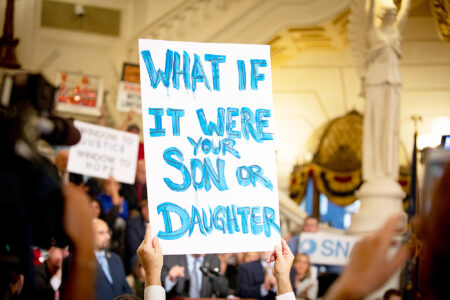
The Pennsylvania Health Access Network is warning that, unless Congress acts to keep the premium tax credits in place, hundreds of thousands of Pennsylvanians will find themselves unable to afford health insurance through the state-run marketplace.
The controversy over the renewal of those premiums is a key sticking point in negotiations over how to end the federal government shutdown, now more than two weeks old.
“The staggering increase in monthly costs for 2026 Pennie health insurance plans puts an unacceptable burden on the nearly 500,000 Pennsylvania families who purchase their own insurance through Pennie,” The health access network said in a statement. “The dramatic increase in monthly costs means that half of current Pennie enrollees are likely to drop coverage altogether.”
Many others will be forced to choose less-expensive plans, while some will stop seeking medical care, ration medication or going without other necessities to try to afford their medical bills, according to the group. And the loss of health insurance could be life-threatening for those dealing with chronic diseases.
The state-run marketplace serves people who are self-employed or work for employers that don’t provide insurance, including small business owners, gig workers, restaurant servers, substitute teachers, home care workers and people who work in retail positions.
Pennie’s upcoming Open Enrollment period is the only time of year to enroll in individual and family health coverage for 2026.
Open Enrollment typically runs from Nov. 1 to Dec. 15 for coverage that starts on Jan. 1, 2026.
Local News
Morrisons Cove High School Class of 1960 set to meet
The Morrisons Cove High School Class of 1960 will meet at noon Wednesday, Feb. 11, at the Bistro on the Village ...

Stepping up: Residents lead efforts to bring three-day square dancing festival to Blair County Convention Center
Mediation fails in former Northern Cambria Borough police chief’s suit
An attempt to resolve the federal lawsuit in which the former police chief of Northern Cambria Borough is suing the ...
New York man allegedly threatened to kill other man with sword
A New York man residing in Altoona was taken into custody after threatening to kill another man with a sword when ...
Blair County commissioners OK parking garage bids
HOLLIDAYSBURG — Blair County took another step closer toward completing a comprehensive rehabilitation project ...