
Got chicken? Poultry edges dairy as Pennsylvania’s top ag industry
-
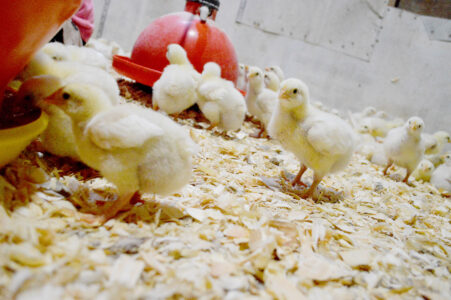
- Poultry has edged out dairy to become Pennsylvania’s No. 1 ag sector by revenue, according to USDA’s 2022 Census of Agriculture. Courtesy photo
-
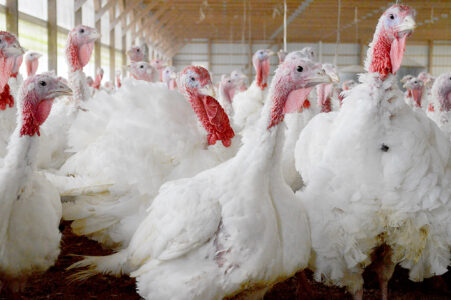
- Pennsylvania is a large-scale producer of eggs, broilers, turkeys and ducks. It also produces breeders, pullets, game birds, specialty fowl for ethnic markets and eggs used in vaccine production. Courtesy photo
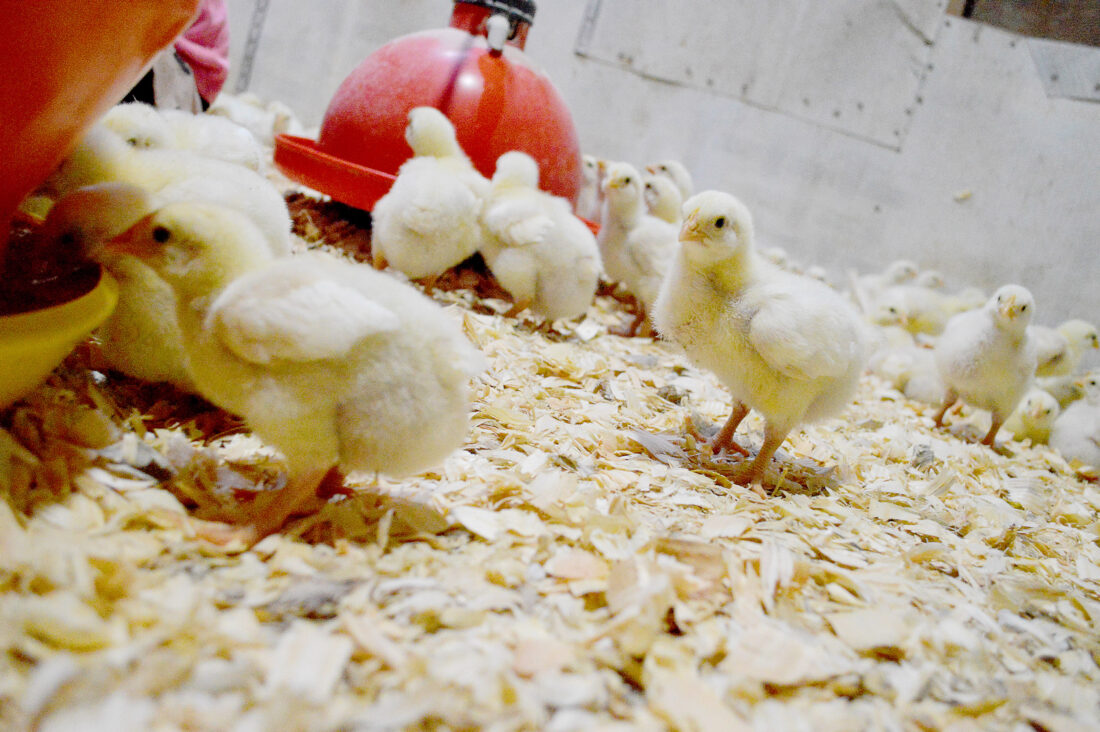
Poultry has edged out dairy to become Pennsylvania’s No. 1 ag sector by revenue, according to USDA’s 2022 Census of Agriculture. Courtesy photo
There’s a new agriculture king in Pennsylvania.
Poultry has edged out dairy to become the state’s No. 1 ag sector by revenue, according to USDA’s 2022 Census of Agriculture.
At $2.6 billion and $2.5 billion, birds and cows generate half of Pennsylvania’s $10 billion in ag products, according to the most recent census data.
Today, there are 7,100 poultry farms in Pennsylvania, with 28% in Lancaster County.
Pennsylvania’s poultry industry is quite diverse.
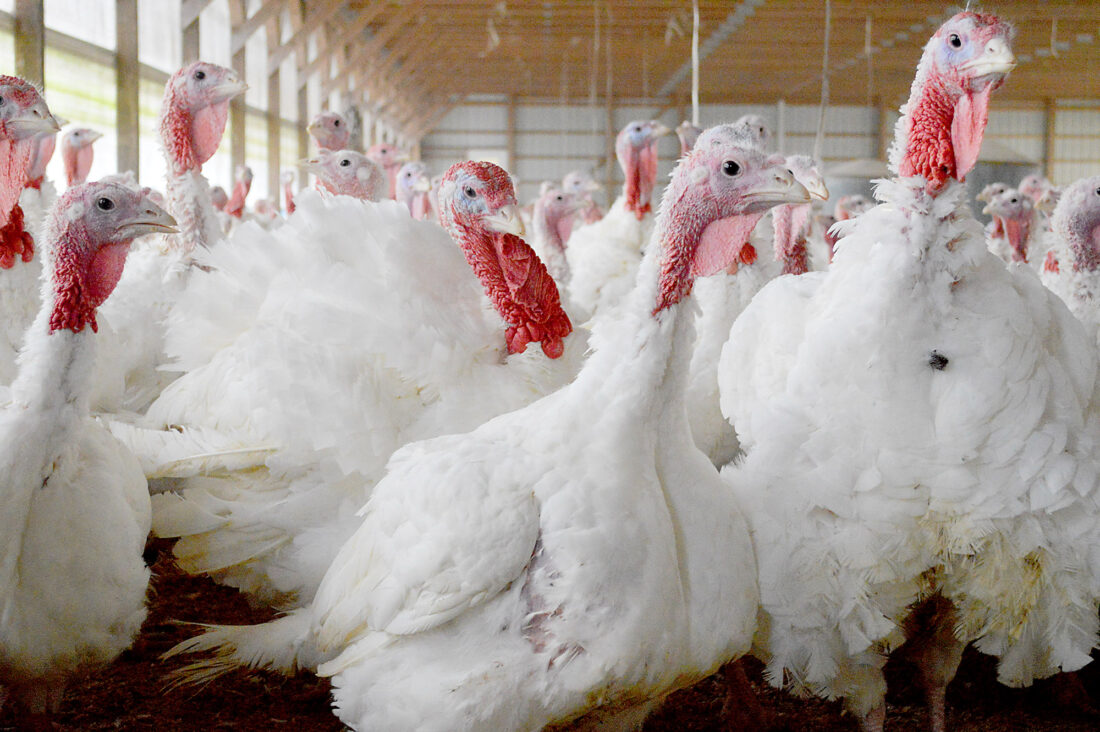
Pennsylvania is a large-scale producer of eggs, broilers, turkeys and ducks. It also produces breeders, pullets, game birds, specialty fowl for ethnic markets and eggs used in vaccine production. Courtesy photo
The state is a large-scale producer of eggs, broilers, turkeys and ducks. It also produces breeders, pullets, game birds, specialty fowl for ethnic markets and eggs used in vaccine production.
“We are extremely diverse. We are among the top four egg producers in the U.S., in the top ten in broilers, and we have a large ethnic market and we are one of the largest duck producers in the U.S. We are among the largest game bird states in America,” said Christian Herr, executive vice president of PennAg Industries Association, an organization which represents Pennsylvania agribusinesses. “We also have tremendous poultry infrastructure. We are the only state in the country where the legislature and governor have stepped up to give us the tools to shut down and mitigate problems with bird flu.”
Tessa Applegate, CFO and vice president of Clark’s Feed Mill Inc., Shamokin, recently testified before the state House and Senate Agriculture and Rural Affairs Committee.
Applegate said she is the fourth generation of ownership at the family business, which runs a small grow-out consisting of approximately 400,000 broilers per week and manufactures primarily chicken feed.
She said one reason for poultry’s growth has been because more and more farmers are choosing to diversify by adding poultry housing to their operations.
She said the poultry industry continues to grow in the face of ongoing threats. One of the greatest challenges was the highly pathogenic avian influenza (HPAI). In March 2023, Pennsylvania reported the highest number of cases in both commercial flocks and backyard birds nationwide.
Applegate also said the entire industry is at risk daily to the threat of disease and that is why it is important to point out the monumental success that the senate and house has had in recognizing and protecting animal welfare.
The director of Penn State’s Animal Diagnostic Lab has credited strong collaboration between government agencies and farmers for helping to reduce the spread across the state, she said. “The industry has adapted to a new normal — one that prioritizes strict biosecurity measures and the health of these animals. I can confidently say, on behalf of producers across the state, that we’re incredibly grateful for the programs and funding Pennsylvania has provided to help mitigate this risk,” Applegate said.
She said several strong initiatives have been implemented to help cover costs related to bird flu testing, lost income and enhanced biosecurity measures, including the HPAI Recovery Reimbursement Grant, which offers up to $25,000 per premise.
“At Clark’s, we’re utilizing this program by investing in new disinfectant systems and laser bird deterrents at our facility, with plans to apply for the sixth round of state funding,” Applegate said.
In Cambria County, Myers Poultry Farm in South Fork has been in business since 1988.
“We started as sellers of broilers, capons and chicks, but our offerings have expanded over the decades. We are currently expanding into different facets in the poultry industry, so it makes life interesting,” owner Diane Myers said.
Myers said the business, which specializes in selling meat birds, has been growing.
“Our sales have increased year over year. We sell over two million Cornish Cross chicks per year, in addition to all the other day-old poultry we sell. We had a big increase in sales this year for our layer chicks,” Myers said.
Both Myers and Herr are not surprised that poultry has surpassed dairy in Pennsylvania.
“More than ever before, people are more interested in making healthy, environmentally friendly purchasing decisions, and they want to know exactly how their food is being raised,” Myers said.
She said poultry is a very cost-effective protein product for both individuals and farmers to raise, equating to better prices for consumers and higher profit margins for producers.
“There is greater demand for poultry, which has gone up significantly. We have the infrastructure and builders available to build poultry barns,” Herr said. “We have the equipment companies and feed mills. That is not a luxury a lot of states can crow about.”
Herr said he expects the number of poultry farms in Pennsylvania will continue to grow.
“It will grow into places like Blair and Bedford counties and continue where there is room to grow. The trend in southeast Pennsylvania is a lot of dairy farmers looking into broilers to create diversity on their farms,” Herr said.
The Blair County Planning Commission recently reviewed plans for construction of two chicken barns in Morrisons Cove. That project is not expected to happen until next year.
Mirror Staff Writer Walt Frank is at 814-946-7467.
Local News
Water tank installed for fire protection in Castle Farms
Residents of the Castle Farms development off Juniata Gap Road in Logan Township have paid for installation of a ...
State awards $5M in grants to support rail infrastructure
Pennsylvania will receive an upgrade to its regional rail infrastructure thanks to a number of recently announced ...
Drugmaker Eli Lilly announces Pa. plant

Clearfield man arrested for drugs

Federal gov’t can’t seek death penalty in UnitedHealthcare CEO killing case
Pittsburgh group hosts presentation on AI in Johnstown
JOHNSTOWN — A new era of manufacturing is taking shape and it’s powered by innovation and artificial ...