Bloom crew: Blair Garden Club keeps local spaces perennially beautiful
-
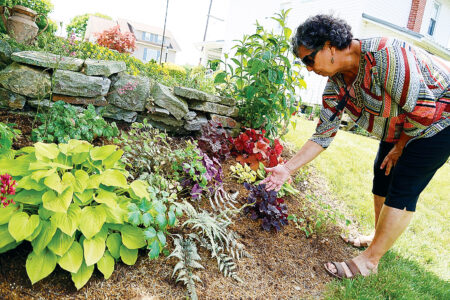
- Blair County Garden Club member Mary Ellen Burke tends to her plants in her shade garden. Mirror photo by Patrick Waksmunski
-
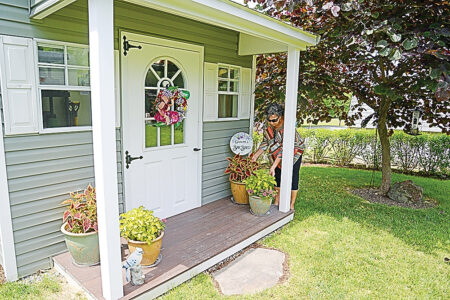
- Mary Ellen Burke tends to her plants at her garden “She Shed” in Altoona. Mirror photo by Patrick Waksmunski
-
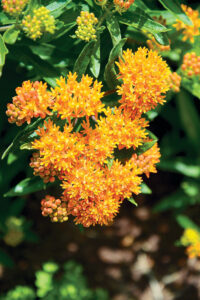
- Butterfly milkweed blooms in Mary Ellen Burke’s garden in Altoona. Mirror photo by Patrick Waksmunski
-
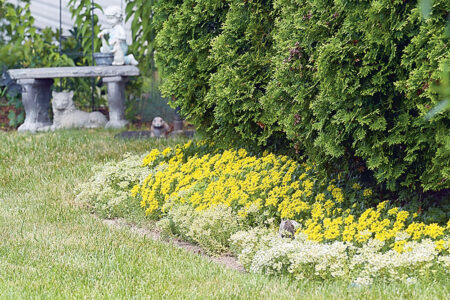
- Flowers bloom in Mary Ellen Burke’s garden in Altoona. Mirror photo by Patrick Waksmunski
-
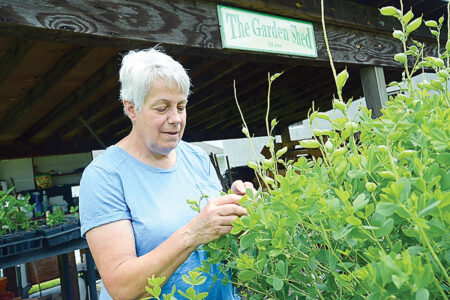
- Blair County Garden Club member Lisa Merschiltz looks after her Blue False Indigo in her Altoona garden. She takes a nature-first approach to her garden that’s aimed at helping bees and insects with a pesticide-free lawn and native plantings. Mirror photo by Patrick Waksmunski
-
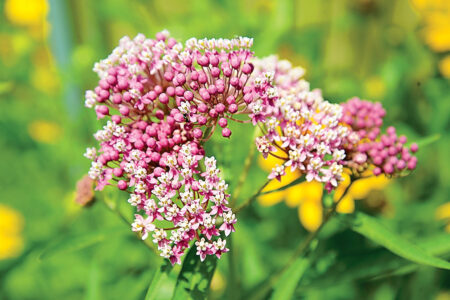
- Swamp milkweed flowers bloom in Lisa Merschiltz’s garden in Altoona. Mirror photo by Patrick Waksmunski
-
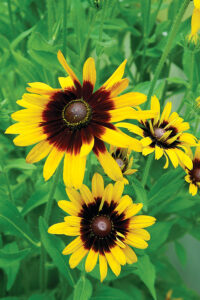
- Rudbeckia perennials in Lisa Merschiltz’s garden are used by Monarch butterflies as nectar sources as they migrate in the fall. Mirror photo by Patrick Waksmunski
-
- Blair County Garden Club member Mary Ellen Burke tends to her plants in her shade garden. Mirror photo illustration by Cynthia Wise/Mirror photos by Patrick Waksmunski
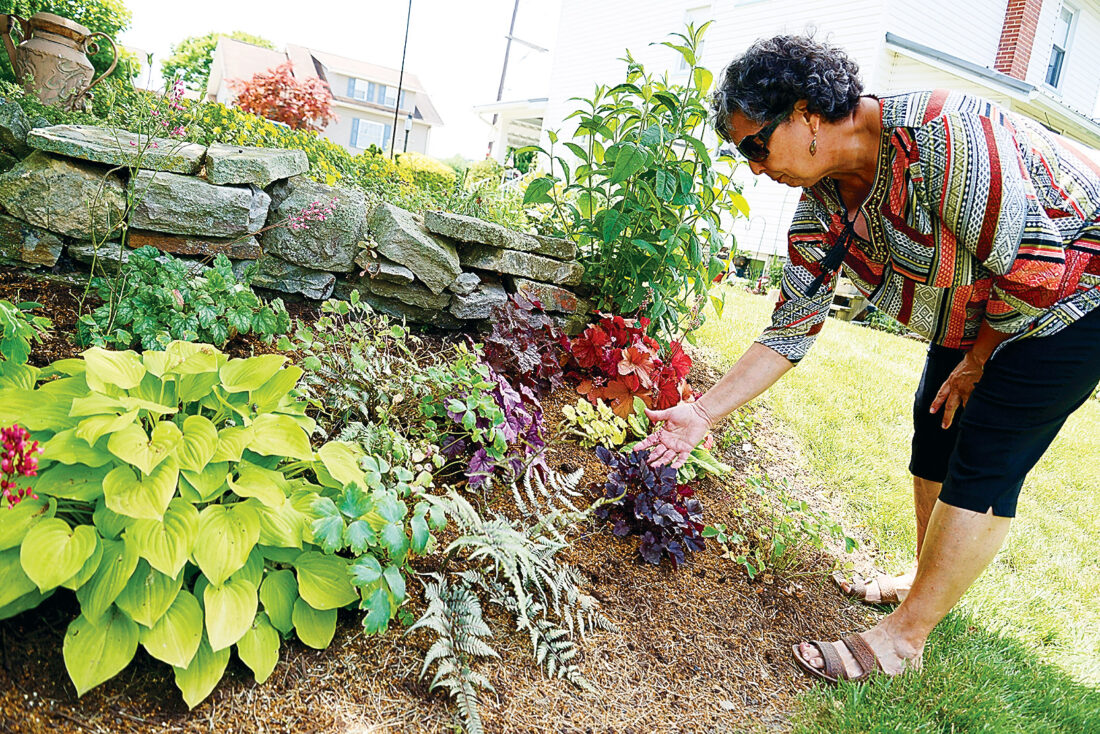
Blair County Garden Club member Mary Ellen Burke tends to her plants in her shade garden. Mirror photo by Patrick Waksmunski
When it comes to creating beautiful blooming spaces in Blair County, the Blair Garden Club members dig in their trowels, plant perennials and annuals, haul water and weed, weed, weed.
The club has about 60 members, said President JoAnn Propcheck of Duncansville, who voluntarily care for beds at the intersection of Chestnut Avenue and Eighth Street, the grounds at Baker Mansion, an area in front of the Mishler Theatre, and the American Legion Social Hall within Legion Park in Hollidaysburg.
The Blair Garden Club is one of several volunteer organizations involved at the Discovery Garden, also at Legion Park, she said, and suggests visiting the public gardens as a fun, free activity, especially if hosting out-of-town guests.
Whether planting a public garden or one in the backyard, gardeners create visual interest throughout the growing season with a mix of foliage colors, heights and bloom times.
“My gardens are typically all perennials so everything blooms in its own time,” said Mary Ellen Burke. “So you always have something blooming, and as that goes off, then you have something new blooming the next week.”

Mary Ellen Burke tends to her plants at her garden “She Shed” in Altoona. Mirror photo by Patrick Waksmunski
Penstemon is one of her favorites because of its dark foliage accented with white bell flowers that appear in the spring. When the flowers fall off, pea-sized red beads emerge that are great for holiday decorating.
When her honeysuckle tree and the lavender plants bloom, those scents add another dimension that stimulates the senses. Her garden reflects her friendships and favorite flowers, Burke said.
The best gardens, said club member Lisa Merschiltz, reflect an individual gardener’s tastes, time and talents.
Merschiltz has more than 50 native plants in her gardens and is in the process of being certified as a pollinator garden by Penn State.
Propcheck used a professional landscaper to start a new bed and has been adding perennials to it over the years to enhance and change its look. Like many, she mixes lavender, oregano and other herbs among her plants.

Butterfly milkweed blooms in Mary Ellen Burke's garden in Altoona. Mirror photo by Patrick Waksmunski
“I think it looks nicer. Herbs often have a different season and they do well among other plants,” she said. She puts chocolate mint in a big copper pot, for instance. Some plants like mint spread quickly, so if that’s a concern she recommends putting it in a pot first and then burying the pot below ground level in a garden. “Some plants like mint spread like crazy and can be invasive. This keeps it contained.”
Burke’s turned her triple-lot into an immaculately landscaped retreat in the Fairview area filled with a variety of blooms.
“It’s as close as I’m going to get to nature. I love digging and planting something and watching how it grows and what it becomes. If it doesn’t work here, then you move it somewhere else or you give it to someone else and let them try to grow it.”
Across town in the area of Ebner Elementary, Merschiltz takes a nature-first approach aimed at helping bees and insects with a pesticide-free lawn and native plantings. It’s a messier look compared to Burke’s, she said, because she doesn’t chemically treat her lawn, allowing the clover to flourish, and doesn’t cut back plantings in the fall, leaving them as insect shelters in winter.
Among the native plants in her yard are columbine, baptisia, penstemon, creeping phlox, zizia, milkweed, Joe pye, cardinal flower, nodding onion and great blue lobelia. Butterflies, such as Monarchs, use rudbeckia and asters as nectar sources as they migrate each fall.

Flowers bloom in Mary Ellen Burke’s garden in Altoona. Mirror photo by Patrick Waksmunski
While individual Blair Garden members have different home garden styles, they unite in work committees and assume responsibilities from spring cleanup, planting sessions, weekly maintenance, weeding and watering tasks.
Gateway project coordinators Nancy Fogel and Marcy Hatch oversee and organize 32 volunteers who weed and water along with in-kind assistance from the Altoona Public Works Department, plantings from the Western Pennsylvania Conservancy and a sponsorship by UPMC. The club has planted the area for 16 years and is passed by an estimated traffic count of 30,000 vehicles daily, Fogel said.
“Planting day in May is our major work day,” said Fogel of Hollidaysburg. “We plant about 900 annuals. (Then) we have to mulch the annual beds. It takes about 160 five-gallon buckets of mulch — which we must shovel from the pile into the buckets, carry and spread on the beds.”
The location features drought tolerant perennials, various grasses, daylilies, hostas and yucca accented with colorful blooming annuals such as celosias. Celosias have a dark burgundy bloom in a feathery plume shape, and burgundy shaded leaves. which contrast with the bright silver foliage of dusty miller, Fogel said.
The garden club members also care for beds at Baker Mansion at 3419 Oak Lane. Other groups, such as staff and volunteers from Crossroads Services Day Program, also help maintain the grounds.

Blair County Garden Club member Lisa Merschiltz looks after her Blue False Indigo in her Altoona garden. She takes a nature-first approach to her garden that’s aimed at helping bees and insects with a pesticide-free lawn and native plantings. Mirror photo by Patrick Waksmunski
The mansion boasts several beds, including teardrop and horseshoe-shaped ones, unique 4-foot in diameter pans and other landscaping features, said work group leader Bridget Mellott-Lostaglia.
The larger beds feature perennials with numerous smaller landscaped areas, accented with urns, pans and planters, Mellott-Lostaglia said. Annuals are planted the last two weeks in May in preparation for the mansion’s peak tourist season.
Visitors will find a variety of blooms and plants from orange and yellow celosias, dusty miller, dahlias, cone lilies, royal purple fountain grasses, Solomon’s seal, lady’s mantle and more. The horseshoe garden highlights perennials such as oregano, hearty hibiscus, purple iris, Shasta daisies, blue phlox and bee balm.
In bloom
The Blair Garden Club meets at 6:30 p.m. on the fourth Monday of each month, February through November, at the American Legion Social Hall, 1501 N. Juniata St., Hollidaysburg. For more information, call or text 814-932-6499 or email blairgardenclubgirl@gmail.com

Swamp milkweed flowers bloom in Lisa Merschiltz’s garden in Altoona. Mirror photo by Patrick Waksmunski
The nonprofit organization hosts informational programs, speakers and activities supported through a two-day plant sale held the Friday and Saturday after Mother’s Day each May.
Whether it’s a new garden or a refresh of existing beds, members of the Blair Garden Club share these tips:
Match the amount of sun or shade the planting area receives to the type of plant.
Vary the type of plant, color of foliage and blooming schedule to provide visual interest throughout the growing season.
Plan: Create a written diagram of the space noting what plants are where and keep the plastic stick that has the recommended sun, soil and watering conditions.
Water generously newly planted blooms, shrubs or trees to establish root systems.
Trees fare best when planted in the fall.
Plant spring bulbs in the fall.
Add mulch to retain moisture and keep soil insulated.
Experiment: If a plant doesn’t do well in one location, move it to another spot. Still not thriving? Share it with a friend.
Use soil testing kits found at local hardware and garden centers to learn the acidity or alkaline of the soil.
Be patient.
Learn through resources such as the Penn State Extension Service and the Juniata Valley Audubon Society.

Rudbeckia perennials in Lisa Merschiltz’s garden are used by Monarch butterflies as nectar sources as they migrate in the fall. Mirror photo by Patrick Waksmunski

Blair County Garden Club member Mary Ellen Burke tends to her plants in her shade garden. Mirror photo illustration by Cynthia Wise/Mirror photos by Patrick Waksmunski
Local News
Third-degree murder suspect facing additional counts for alleged attempt to smuggle contraband
A Blair County Prison inmate charged with third-degree murder is facing additional charges in a separate case after ...
Altoona Area High School students turn out for Toona Tune-up

The Last Juicebox Project spreads Type 1 diabetes awareness

Train of events: First of six NS America250 locomotives to be painted in Juniata takes to mainline
State budget deadline looming
Lawmakers returned to the Capitol Monday to begin the June session, leading up to the end of the month deadline to ...