
States settle Paramount-Warner merger lawsuit
Trending
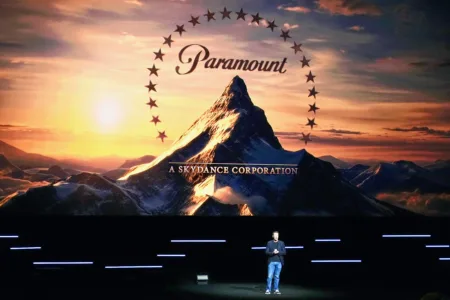
CHICAGO -- Twelve states and Hollywood writers challenging Paramount's buyout of Warner Bros. Discovery agreed to settle their lawsuits on Monday, effectively paving the way for the $81 billion mega merger to cross the finish line, with some new commitments from the company.
The blockbuster deal will still vastly reshape Hollywood -- bringing together two of the "big five" remaining studios, key TV networks like CBS and CNN and streaming platforms HBO Max and Paramount+, as well as decades-old libraries with titles ranging from "Harry Potter" to "Top Gun."
But among terms of Monday's agreement announced by California Attorney General Rob Bonta -- who led the states' case -- Skydance-owned Paramount pledged to increase film production in the U.S., commit millions of dollars to a fund to support workers displaced by the merger and create new monitoring of the editorial independence of the company's news operations.
The settlement still needs a final sign-off by a judge.
Paramount CEO David Ellison welcomed the terms reached with both the states and the Writers Guild of America on Monday, which he said marks "complete clearance" for his company's merger with Warner -- reiterating that such a combo will "build a stronger Hollywood."
Critics, however, decried the settlement terms as too weak and accused the state attorneys general of capitulating to corporate pressure. Many saw the litigation as the last guardrail from keeping a combined Paramount-Warner from becoming a reality.
Talks were contentious for months -- and, despite new remedies announced Monday, Bonta and other top state prosecutors who sued said that they still didn't think the companies should merge.
Politics have also surrounded much of Paramount's quest for Warner. Many eyes are on the billionaire Ellison family's relationship with President Donald Trump and the future of assets like CNN, which the Republican administration barred from the White House over what Trump called unfavorable coverage.
The states' settlement terms, explained
The coalition of states -- which, beyond California, also includes entertainment heavyweight New York -- sued to block the merger in July, alleging it would "extinguish competition" and lead to fewer choices for consumers, particularly movie theatergoers and cable customers.
In Monday's agreement, the states said they had secured a handful of "court enforceable" commitments from Paramount -- including pledges to increase domestic film production over the next five years by spending at least an additional $1.5 billion, or $300 million per year, and commit another $47.5 million to help fund training and career development for workers displaced by the merger.