
Trending
Presque Isle Downs & Casino in Erie, one of Pennsylvania's oldest gaming venues, which opened in 2007, is facing uncertainty about its future. Since 2018, the well-known casino has seen its revenue drop, and General Manager Gary Hendricks says it's mostly because more people are choosing to play skill games.
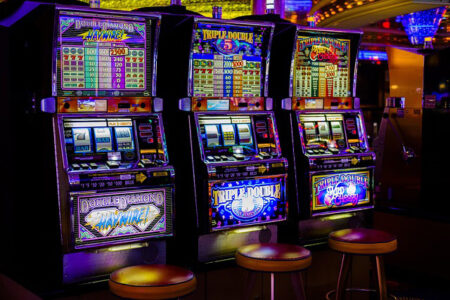
Skill games, which are found in bars, restaurants, convenience stores, and gas stations, look like slot machines but let players take part by solving puzzles or tapping the right symbols. Unlike regular slot machines, which are based only on luck, skill games give players some control over the outcome. The most well-known skill game in Pennsylvania is the "Pennsylvania Skill" machine.
Traditional casinos are not just facing competition from skill games--they are also struggling to keep up as more gamblers turn to faster and more convenient ways to gamble, like online casinos. On platforms like Fast Slots, players can enjoy quick, exciting games with instant rewards on every spin, making the experience smooth and fun. The need for quick, on-demand entertainment is something traditional casinos find hard to match.
Hendricks explained that the demand for traditional slot machines has fallen drastically, even on New Year's Eve, usually the casino's busiest night, 500 slot machines were left unused. He attributes this drop to the increasing presence of skill games, which aren't taxed like the casino's slots.
Unregulated machines are causing problems that reach beyond just the casino. Local businesses and small venues offering skill games benefit from them, while Pennsylvania's regulated casinos lose revenue. Over the past five years, the Pennsylvania Lottery has lost about $200 million due to these games.
Even though skill games are getting more popular, different groups debate whether they should be taxed and treated like regular gambling. Governor Josh Shapiro thinks taxing them could bring money to help cover funding gaps and support state programs. Supporters of skill games say these machines are different because players have some control, unlike regular slot machines that rely only on luck.
However, many licensed casinos in Pennsylvania, like Presque Isle, feel these machines are hurting their business because they don't have to pay the same taxes. Last year, 12 casinos, including Presque Isle Downs & Casino, filed a lawsuit against the state, arguing that skill game operators should pay the same 54% tax rate levied on casinos’ slot machines. Shapiro has proposed a 42% tax on the revenue generated by skill games.
A senior official in the Pennsylvania House of Representatives believes it’s only a matter of time before skill games are legalized through state legislation. With the state facing budget gaps, it's likely that skill games, along with other issues like recreational cannabis, will be addressed soon.
Hendricks worries these changes might make things even tougher for Presque Isle's casino. He said the casino is getting close to a breaking point and might not be able to stay open much longer. The casino's slot machine revenue has dropped significantly, from nearly $115 million in the 2018/19 fiscal year to $87.5 million in 2024.
If Presque Isle were to close, it would deeply affect the Erie community as the casino employs more than 500 local people in areas like gaming, food, and hospitality. That's hundreds of families who rely on those paychecks to get by.
The casino also contributes 1% of its annual gross revenue to the local community, with half going to the county government and the other half managed by the Erie County Gaming Revenue Authority (ECGRA). Since 2008, ECGRA, the main driver of economic development in the county, has put over $77 million into various organizations, utilizing gaming funds to fuel economic growth and build community.
Money generated by Presque Isle Downs & Casino has played a key role in boosting local jobs and keeping the local economy strong. Local arts groups also benefit from the funds; for example, the Erie Playhouse and Erie Philharmonic offer live orchestra concerts and music performances, which are rich in culture and attract tourists. Youth programs and neighborhood projects also get a chunk of the money, all contributing to a better life for people in the area.
Because of this, local leaders worry that Erie County could lose a big chunk of money used to boost the local economy and support things like arts and culture if the casino shuts down. The county also uses part of the casino's money to help pay for important services and to give residents a break on their property taxes. In 2024 alone, this tax relief amounted to $18.6 million. Local officials warn that Erie could lose a major source of economic and cultural funding if the casino shuts down.