
Trending
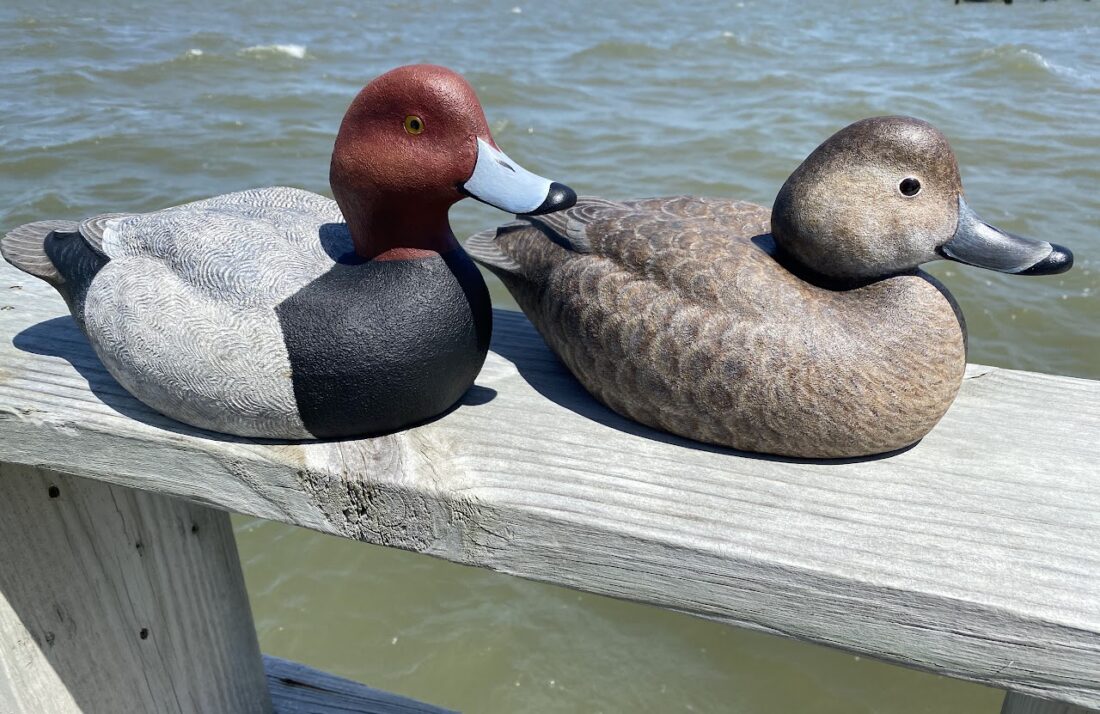
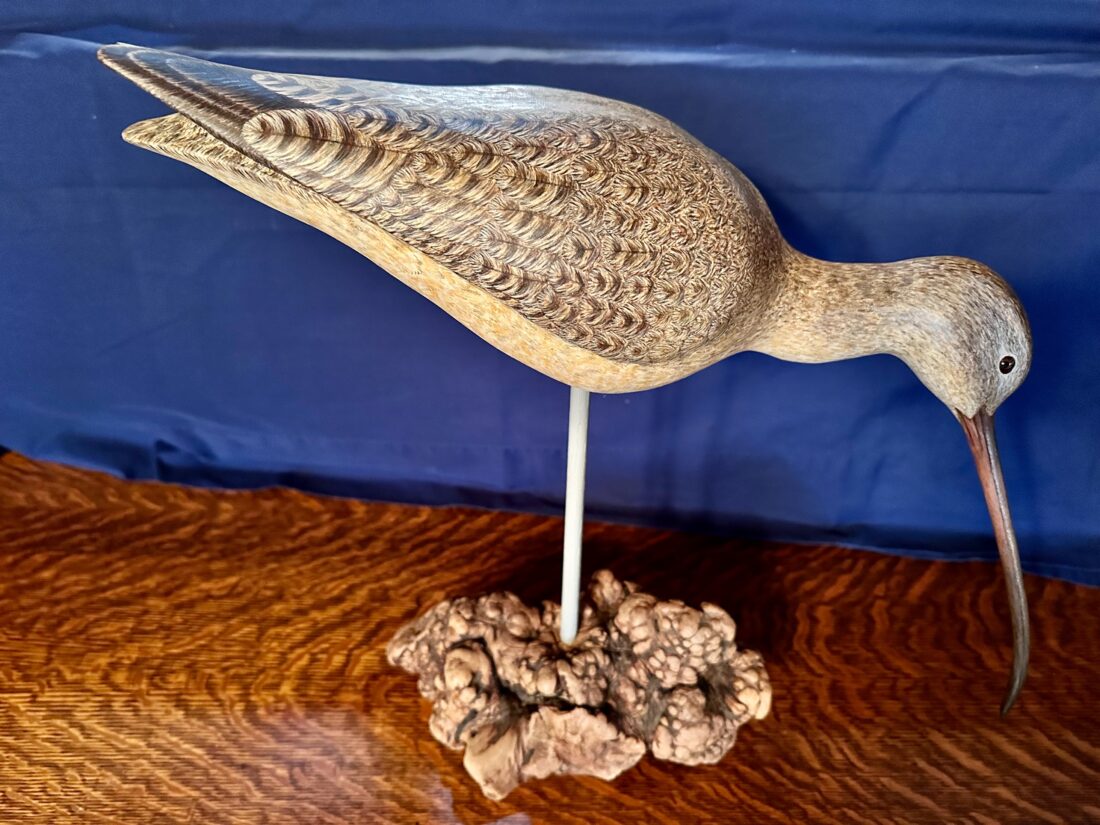
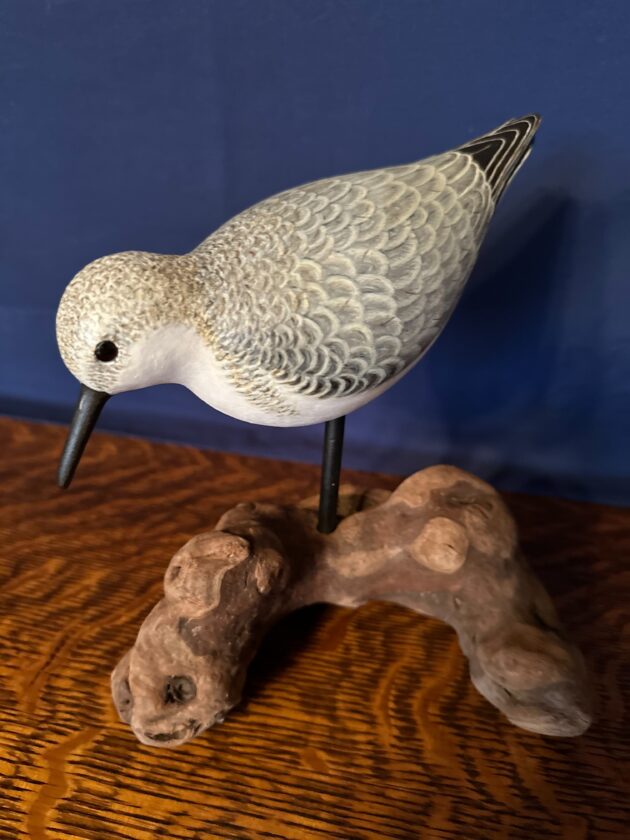
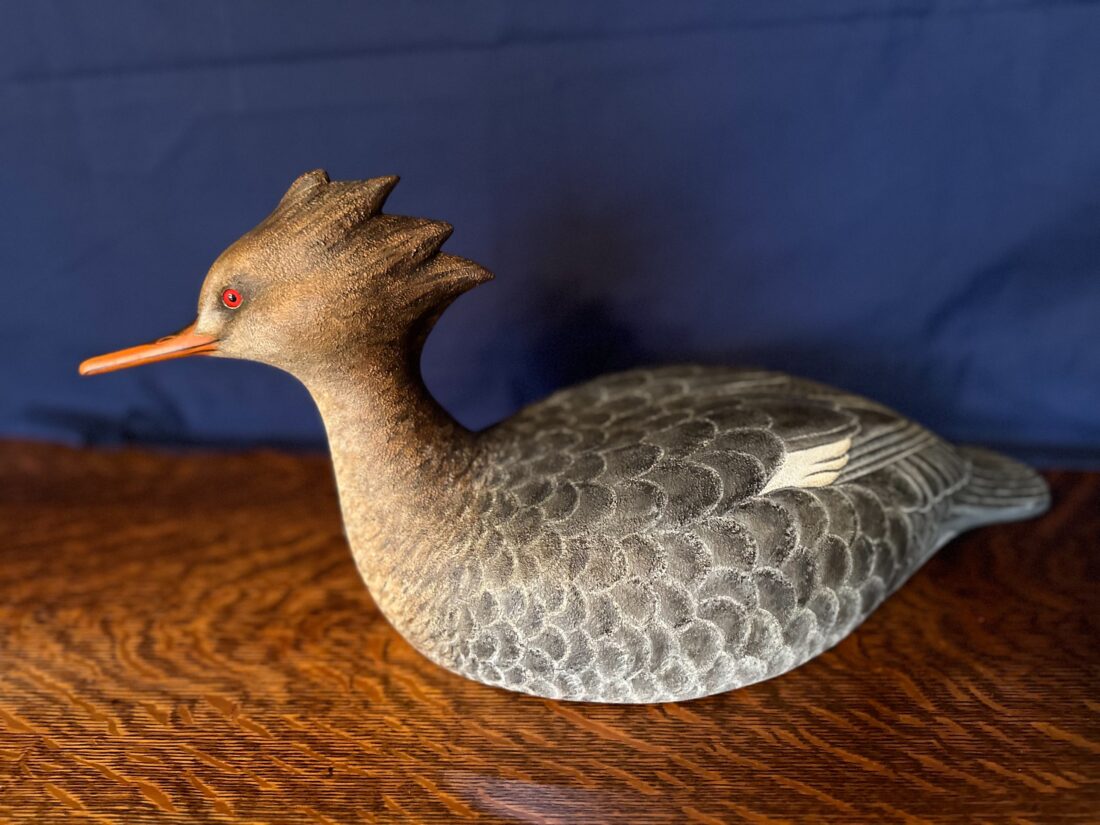
BEDFORD -- Award-winning decoy artist and Bedford native Michael Morgart will have his wooden carvings displayed as part of the "The Summer of History" exhibit at the Southern Alleghenies Museum of Art, 137 E. Pitt St., through Aug. 18.
"The Summer of History" exhibit also features works from the Route 30 Lincoln Highway Heritage Corridor, which celebrates the region's long travel history with images, historical documents and artifacts that show the original placement of the Coffee Pot and the transition to its new home. With travel in mind, antique license plates will be displayed throughout the galleries and travel and animal related interactive activity stations will be found in the Children's Discovery Gallery.
Morgart's hand-carved buoy ducks and shore birds will be supported by images of local birds and animals from the Donald M. Robinson photography collection.
Morgart is a member of the Bedford High School Class of 1978 and splits his time between the Bedford area and the Chesapeake Bay area.
This is his first art exhibit of his wood carvings but he's a multi-award winner in the world of decoy exhibits, across many categories and styles. He started carving in his teens after a family vacation to Chincoteague Island in Virginia's Eastern Shore region. While visiting, he saw other decoy carvers and decided to pursue it as it combined his interest in the outdoors and in art. "His pieces have so much depth and so much personality. It's incredible. They are true works of art," said Bedford site Director Christi Draves. "They are carved by hand and so finely detailed. They are amazingly beautiful."
Whether it's a duck, goose or a shore bird, Morgart has studied the bird in its natural habitat. His birdwatching grew out of his desire to create a better decoy.
"I spend a ton of time watching birds because it doesn't matter how many pictures you look at, you really can't get the attitude of the birds and positions you want to carve without seeing the living birds. I spend a lot of time birdwatching."
He's crafted more than 400 birds and still has his first effort, a decoy he made for his father right after he graduated from college.
"It's pretty bad," Morgart said. His desire to continuously improve and do better fueled his woodworking in his early years so he attended competitions and learned from other woodworkers who helped him progress in his expertise.
Morgart, 62, is a retired geologist who spent 35 years with the Pennsylvania Department of Environmental Protection -- a career that enabled him to be outdoors.
Some buyers of his decoys use them in the field to lure wild birds while others use them as mantelpiece decorations and as artwork, he said.
Morgart selects his wood for a carving based on how it will be used. Basswood was accessible to him during his early carving years. Now, wood sellers frequent competitions and offer cedar, walnut or tupelo woods. Tupelo is higher quality wood that is best suited for detailed, delicate carvings, for example.
"It is also extremely light so it floats well," Morgart said. Yes, his decoys are made to be used on the water or on the shores. During a floating decoy competition, the decoys are put in the water for several hours so judges can assess how they bounce in the waves.
"They have to be technically accurate as far as looking at the particular species of bird, its colors, its shape, and its attitude. It also has to float properly. It can't flop around or roll over in the waves. It's a little bit like building a small boat. You don't want them to sink. They are often hollow so you have to cut it in half, hollow it out and seal it back up good. There's a lot to it."
The competitions that require extreme detailing and high judging standards help move the artist's skills forward.
"(The competitions) push you to do the best that you can. That's how you learn," he said.
A decoy for competition may require 10 hours of carving and an additional 10 hours painting.
"For a very detailed piece, I could spend 75-80 hours burning the feathers into it. I've spent a couple hundred hours on these. A simple shore bird I can make in a couple hours," he said.
This process of carving the birds and painting the birds, I can sit for four to six hours at a time and get caught up in it. It's calming for me. It's a whole different kind of patience that you need. I really enjoy it."
Faced with a large variety of birds -- ducks, gamebirds and songbirds -- the subject matter is plentiful.
"There are six or seven hundred species of birds in North America. So, if I spend the rest of my life doing one of each, that would take a couple lifetimes. You don't get bored with it. It's always different."